
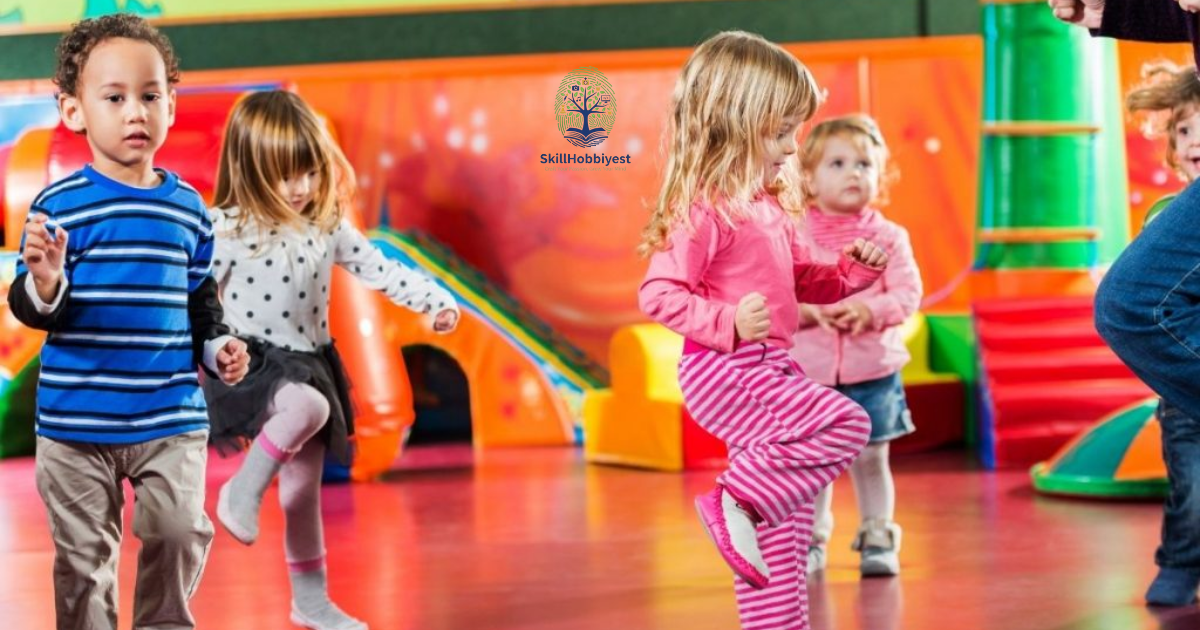
Movement plays a vital role in human growth and everyday physical development. Locomotor skills help individuals travel through space using controlled body movements. These skills form the foundation of physical activity and lifelong healthy habits. Children begin developing movement abilities naturally through play and exploration. Understanding body movement skills supports better teaching and developmental guidance.
Locomotor skills influence balance, coordination, strength, and overall physical confidence. They allow children to interact freely with their surroundings and peers. Early practice improves physical control and movement awareness significantly. These skills are essential for sports participation and daily functional activities. Parents and educators should encourage movement opportunities consistently.
From infancy to adulthood, body movement skills evolve with growth and experience. Each developmental stage builds upon previously learned movement abilities. Supportive environments accelerate movement learning and physical confidence. Active children often grow into physically capable and healthier adults. Learning about locomotor skills helps guide proper development strategies. Awareness allows adults to identify delays early. Early intervention supports better long-term outcomes.
Table of Contents
Understanding Locomotor Skills
Locomotor skills describe movements that transport the body from place to place. They involve coordinated actions using legs, arms, and core muscles. Examples include walking, running, jumping, hopping, skipping, and galloping. Each movement requires balance, rhythm, and controlled muscle engagement. These skills develop progressively through regular practice and repetition. Practice improves efficiency and movement accuracy. Repetition strengthens muscle memory over time.
Children naturally learn locomotor movements through playful physical exploration. Simple activities strengthen muscles while improving coordination and balance. Movement challenges help children understand body control and spatial awareness. Consistent practice improves confidence and overall physical performance. Supportive feedback encourages continuous movement improvement. Encouragement motivates children to try new movements. Positive reinforcement builds persistence.
Locomotor skills are essential components of fundamental physical development. They prepare children for advanced sports and recreational activities. Without strong locomotor foundations, complex movement becomes difficult. These skills also promote independence and self-confidence. Healthy movement habits begin with locomotor skill mastery. Skill mastery supports lifelong physical participation. Confidence increases with physical competence.
Importance of Body Movement Skills
Locomotor skills support physical health and lifelong movement confidence. They improve strength, balance, and overall coordination abilities. Children with strong skills enjoy physical activities more. Enjoyment increases long-term activity participation. Physical activity supports healthy weight maintenance. Active lifestyles reduce future health risks.
Movement skills also support emotional and social development. Active play encourages cooperation and communication skills. Children develop confidence through successful movement experiences. Positive experiences promote healthy self-esteem. Social play builds friendships and teamwork abilities. Emotional resilience improves through active engagement.
Development of Body Movement Skills
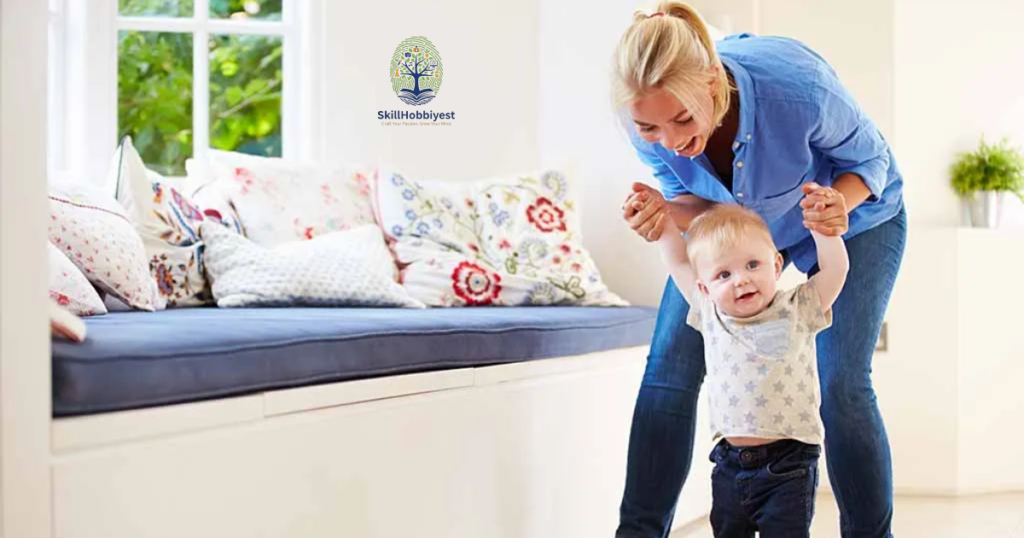
Locomotor development begins during infancy and continues throughout early childhood. Babies start with crawling before progressing toward walking independently. Running, jumping, and hopping develop as strength and balance improve. Each child develops skills at a unique and natural pace. Encouragement helps children progress confidently. Development varies based on environment and opportunity. Patience supports healthy progression.
Practice plays a major role in developing effective locomotor movement patterns. Children refine movements through repetition and playful trial. Mistakes help children learn balance and coordination adjustments. Safe environments support confident movement exploration. Positive reinforcement enhances motivation and enjoyment. Enjoyment increases willingness to practice. Practice leads to mastery.
Preschool years are critical for locomotor skill refinement and control. Children gain better balance, rhythm, and directional awareness. Playground activities provide excellent movement learning opportunities. Group play encourages cooperation and social interaction. Early development supports future physical success. Skill refinement improves classroom readiness. Movement supports cognitive development.
Body Movement Skills and Coordination
Locomotor movements enhance coordination between muscles and brain signals. Repeated practice strengthens neural movement pathways. Improved coordination leads to smoother body control. Children gain better balance and reaction timing. Reaction speed improves daily functioning.
Coordination supports daily tasks and athletic performance. Children move more efficiently with improved motor control. Confidence increases with better movement accuracy. Coordination benefits continue into adulthood. Adults rely on coordination for work activities.
Teaching Body Movement Skills Effectively
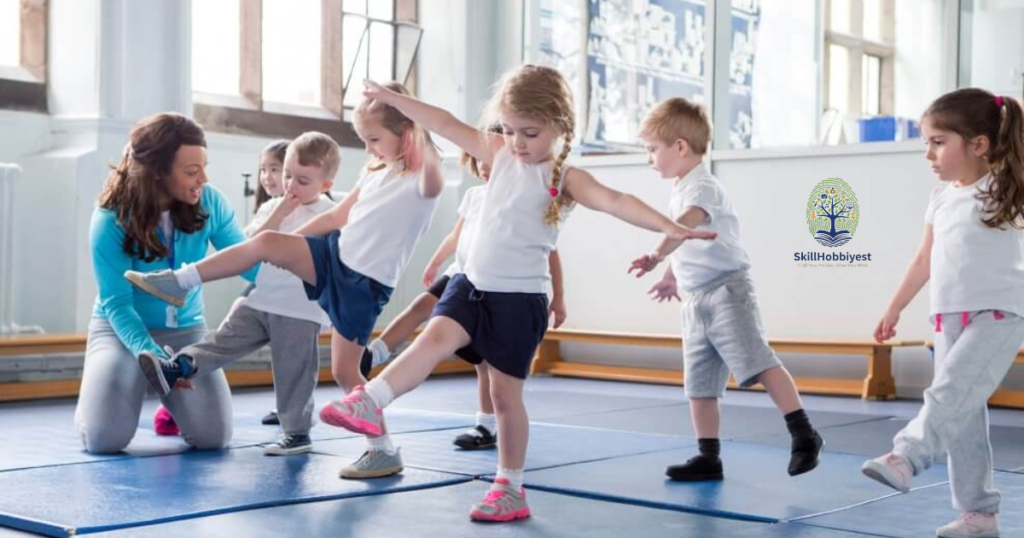
Teaching locomotor skills should focus on fun, simplicity, and engagement. Children learn best through games and interactive movement activities. Clear demonstrations help children understand correct movement techniques. Instructions should be brief and age appropriate. Encouragement builds confidence and persistence. Praise motivates continued effort. Positive environments enhance learning.
Physical education programs support structured locomotor skill learning environments. Teachers introduce movements gradually and monitor progress carefully. Consistent routines help children remember movement patterns. Group activities enhance motivation and teamwork. Schools play a vital developmental role. Qualified instruction improves safety. Structured learning supports consistency.
Parents can support locomotor learning at home through active play. Outdoor activities provide space for free movement exploration. Simple games encourage daily physical engagement. Consistency improves skill mastery over time. Family involvement strengthens learning outcomes. Shared activities build stronger bonds. Supportive families encourage activity. Lifelong movement depends on coordination skills.
Locomotor and Non Body Movement Skills
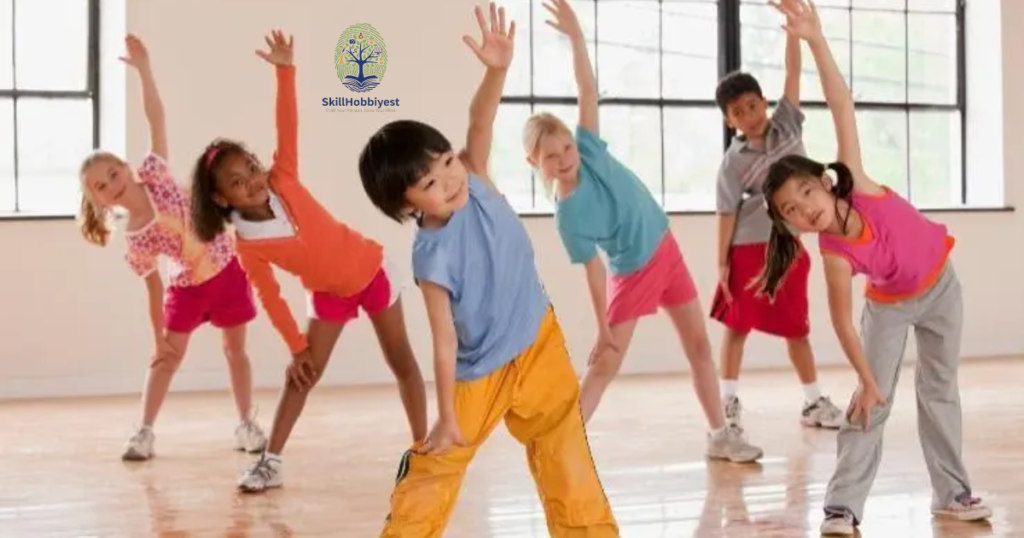
Locomotor skills involve movement through space and changing locations. Non body movement skills occur without traveling movement. Examples include bending, stretching, twisting, and balancing. Both skill types are equally important. Each supports different physical needs. Balanced development requires both.
Together, they support complete physical movement development. Children need both skill sets for daily activities. Balanced development improves overall physical competence. Movement variety enhances adaptability. Adaptability supports problem-solving. Diverse skills increase confidence.
- Locomotor skills help children develop balance, strength, and physical confidence.
- These skills support healthy growth and active lifestyles.
- Regular movement improves coordination and motor control.
- Play-based activities enhance learning effectiveness.
- Early development leads to lifelong physical benefits.
Faq’s
What are locomotor skills?
Locomotor skills are movements allowing the body to travel through space. They include walking, running, hopping, jumping, and skipping movements.
Why are body movement skills important for children?
They support physical health, confidence, and social interaction development. Strong skills encourage lifelong physical activity habits.
At what age do children develop body movement skills?
Most children begin developing body movement skills during infancy stages. Skills continue improving through early childhood years.
How can parents support locomotor development?
Parents should encourage active play and outdoor movement opportunities. Positive reinforcement improves confidence and participation.
Are locomotor skills taught in schools?
Yes, physical education programs focus on developing movement skills. Structured activities help children practice safely.
Conclusion
Locomotor skills are essential for healthy physical development and independence. They allow children to explore their environment confidently. Strong foundations support advanced movement learning later. Early practice creates lasting benefits. Movement skills shape overall well-being. Healthy habits form early. Strong skills promote lifelong activity. These early movement experiences influence future physical confidence significantly.
Parents and educators play important roles in movement development. Encouragement and safe environments support learning. Play-based activities improve skill mastery naturally. Consistency enhances development outcomes. Active children thrive physically and socially. Supportive adults guide success. Collaboration improves outcomes. Coordination supports safe movement.
Investing in locomotor development benefits children throughout life. Movement skills improve health, confidence, and coordination. Early learning builds strong physical foundations. Every child benefits from movement opportunities. Healthy movement begins with locomotor mastery. Development continues across lifespan. Movement supports quality of life. Strong foundations help prevent movement difficulties later in life.
Read more latest Articles on Skillhobbiyest.com