
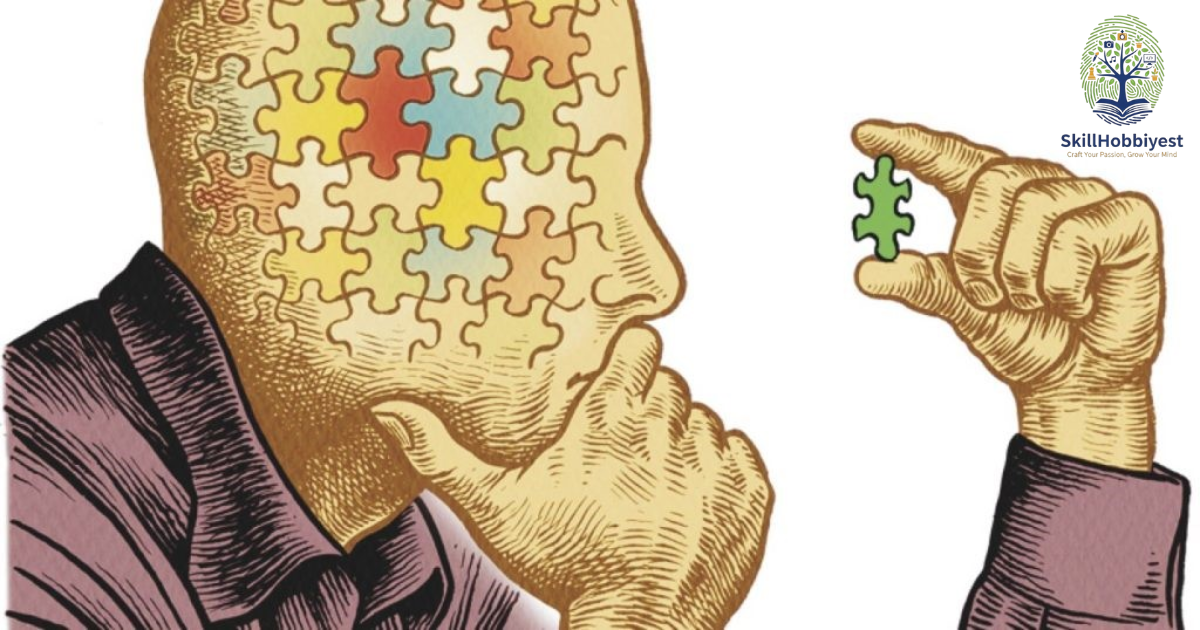
The AICE Thinking Skills course is part of the Cambridge AICE program. It teaches students how to analyze, evaluate, and reason with precision. This subject focuses on developing strong logical and analytical reasoning skills. Through discussion and problem-solving, students learn to think more independently. It’s designed to prepare learners for academic success and real-world decision-making.
Understanding what is Analytical Reasoning Skills helps students value its importance. The course goes beyond memorizing facts; it sharpens how you process information. Students explore patterns, evaluate evidence, and strengthen higher-order thinking skills. It’s a foundation for success in the Cambridge International AS Level studies. By mastering reasoning, learners become confident, reflective, and solution-oriented thinkers.
In today’s fast-paced world, thinking critically is more essential than ever. The AICE Thinking Skills syllabus challenges students to think logically and creatively. They practice analyzing arguments, identifying flaws, and solving problems efficiently. This subject enhances problem-solving in AICE and across many academic fields. Ultimately, it equips students with lifelong skills for thoughtful, evidence-based reasoning.
Table of Contents
Understanding the Purpose of AICE Thinking Skills
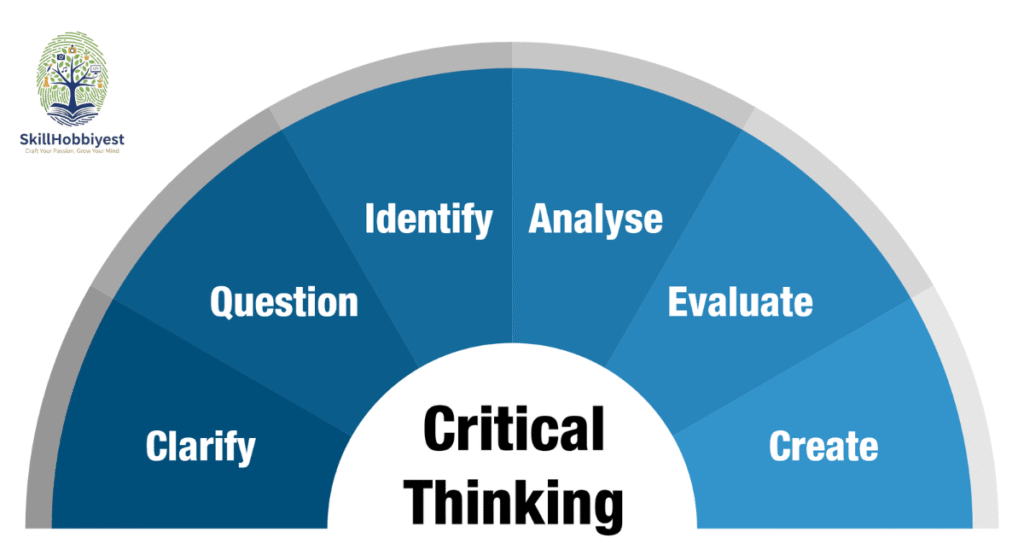
The AICE Thinking Skills course encourages students to explore complex ideas logically. It aims to improve reasoning, communication, and overall analytical understanding of arguments. Students develop the confidence to question assumptions and support claims with evidence. This subject emphasizes evaluating information rather than simply memorizing factual content. By learning how to think clearly, students gain lasting academic and personal advantages.
The Cambridge AICE program includes this subject to strengthen intellectual curiosity and discipline. It prepares learners to approach challenges thoughtfully in both academic and real contexts. Every lesson focuses on thinking and reasoning techniques for informed decision-making. Students examine real-world issues and learn to identify logic within complex arguments. The course provides the foundation for rational thought across many study areas.
Critical analysis is at the heart of the Analytical Reasoning Skills syllabus today. It pushes learners to evaluate data, logic, and the reliability of claims. This strengthens higher-order thinking skills, helping students reason beyond basic understanding. By examining multiple perspectives, they learn balance and evidence-based reasoning effectively. Ultimately, it nurtures thinkers who question intelligently rather than accept blindly.
Core Concepts and Course Content Overview
The AICE Thinking Skills course content revolves around two main examination papers. The first focuses on critical thinking, analyzing written arguments and logical conclusions. Students learn how to detect bias, flawed reasoning, and hidden assumptions. The second paper emphasizes problem-solving in AICE, requiring creative logical application. Together, these sections measure the student’s reasoning precision and analytical flexibility.
Topics within the course build transferable skills used across academic disciplines globally. They promote clarity, structured thinking, and effective communication of complex ideas. Through guided practice, students master problem interpretation and structured solution development. Every exercise aims to improve analytical reasoning skills and practical decision-making ability. These lessons also prepare students for the Cambridge International AS Level assessments.
The course encourages curiosity, independence, and reflection through structured logical tasks. Students practice recognizing argument structure, validity, and reliability of presented data. Assignments include critical reading, logical analysis, and discussion of contemporary issues. These methods enhance awareness of how reasoning influences opinions and decisions. In essence, the course trains the mind to think purposefully and effectively.
Developing Critical and Analytical Reasoning Skills

The AICE Thinking Skills course helps students sharpen analytical and logical thinking. They learn to assess arguments objectively and detect weak points effectively. Every activity encourages structured reasoning and strong evidence-based interpretation skills. Through constant practice, learners become confident, rational, and balanced decision-makers.
Students also develop empathy by understanding multiple sides of complex discussions. They learn that good reasoning requires fairness, accuracy, and open-minded analysis. This approach improves communication, helping them express opinions with logic and clarity. Ultimately, the subject shapes thoughtful individuals ready for academic and life challenges.
- The AICE Thinking Skills course enhances logical reasoning and structured analytical understanding.
- Students learn to question assumptions, evaluate evidence, and form balanced conclusions.
- Practicing problem-solving in AICE builds creative and adaptable thinking abilities.
Exam Format, Preparation, and Performance Strategies

Understanding the AICE Thinking Skills exam format is essential for confident preparation. The assessment includes structured written responses focusing on argument and reasoning. Paper one tests logical evaluation, while paper two measures applied problem-solving. Together they form a strong critical thinking assessment within the AICE framework. Each paper challenges students to reason under time pressure with accuracy.
Many students ask how to prepare for Analytical Reasoning Skills exam effectively. The best strategy is consistent practice using AICE Thinking Skills past papers. These resources help learners recognize common patterns and examiner expectations. Analyzing sample answers teaches structure, reasoning, and clear argument presentation. Practicing regularly improves both speed and understanding of exam requirements.
Students also seek tips to pass Analytical Reasoning Skills paper successfully. Time management and calm focus during the test make a major difference. Organize arguments logically and ensure each conclusion follows strong reasoning steps. Review feedback frequently to identify weaknesses and improve critical responses. With discipline, anyone can excel in this reasoning and problem-solving subject.
Importance, Value, and Real-World Benefits
Many students wonder, is AICE Thinking Skills worth taking during high school. The answer is yes—it builds lifelong reasoning, logic, and decision-making strength. Employers and universities value graduates who think independently and communicate clearly. This subject strengthens confidence, adaptability, and intellectual curiosity across multiple fields. It trains the mind to analyze, evaluate, and solve problems effectively.
Students often compare Analytical Reasoning Skills vs Critical Thinking to choose appropriately. While both emphasize logic, AICE extends into creative and applied reasoning. It includes problem-solving in AICE, making it broader and more skill-based overall. This combination deepens understanding and nurtures innovation through practical applications. Hence, AICE Thinking Skills offers unmatched value for developing versatile thinkers.
Finally, understanding the difference between AICE and AP Thinking Skills is important. AICE follows Cambridge’s international standards emphasizing analysis over rote memorization. AP courses focus more on specific subject knowledge and content recall skills. AICE prioritizes reasoning depth, adaptability, and global academic recognition potential. This approach prepares learners for leadership, innovation, and lifelong intellectual success.
Real-World Applications and Lifelong Benefits

The skills learned in AICE Thinking Skills extend far beyond classroom boundaries. Students use logical reasoning to evaluate real-life choices and professional decisions. They become more aware of bias, assumptions, and unreliable information sources. These habits promote responsible citizenship and effective leadership in any career.
Moreover, employers appreciate graduates who think critically and solve problems creatively. Universities also value applicants with higher-order thinking skills and strong reasoning ability. This course cultivates intellectual independence, curiosity, and lifelong learning motivation. In the modern world, such thinking skills are a powerful competitive advantage.
- The course strengthens communication through clarity, precision, and well-supported argumentation.
- Regularly reviewing Analytical Reasoning Skills past papers improves exam confidence and performance.
- These lessons develop higher-order thinking skills valuable across academic and real-life settings.
- Universities value students who demonstrate strong reasoning and critical evaluation capabilities.
- AICE Thinking Skills prepares learners for lifelong success through logic and reflection.
Faq’s
What does AICE Thinking Skills teach students in the Cambridge program?
It teaches learners to analyze information, reason logically, and solve complex problems. Students develop independent thinking, communication, and higher-order reasoning abilities effectively.
How hard is Analytical Reasoning Skills compared to other AICE subjects?
The course is challenging but rewarding, emphasizing logic over memorization or recall. Consistent practice and understanding reasoning techniques make it easier to master.
How to prepare for Analytical Reasoning Skills exam effectively and confidently?
Practice Analytical Reasoning Skills past papers to learn structure and timing management. Focus on clarity, logic, and evaluating arguments with strong supporting evidence.
Is Analytical Reasoning Skills required for earning the AICE Diploma qualification?
It’s not mandatory, but many schools recommend it for skill development. The subject strengthens reasoning across disciplines and improves overall AICE performance.
What are the benefits of AICE Thinking Skills for future careers?
It enhances decision-making, analysis, and problem-solving in AICE and beyond. Employers value graduates who think critically and communicate logical conclusions clearly.
Conclusion
The AICE Thinking Skills course empowers students to think deeply and logically. It transforms ordinary learners into analytical, confident, and independent problem-solvers. Through structured reasoning, students learn to evaluate evidence and draw conclusions. This subject strengthens mental discipline and builds confidence in complex decision-making. Ultimately, it prepares learners for academic success and intelligent real-world application.
The Cambridge AICE program designed this subject to cultivate global critical thinkers. Its syllabus promotes questioning, evaluation, and clarity in every reasoning process. Students develop higher-order thinking skills essential for university and career advancement. By mastering logic and interpretation, they approach challenges with balanced judgment. This makes the course valuable across disciplines and professional environments worldwide.
In conclusion, Analytical Reasoning Skills goes beyond being just an academic requirement. It nurtures creativity, rationality, and communication through applied critical reasoning practice. Learners gain tools to analyze, innovate, and argue with logical precision. Such skills remain vital for leadership, lifelong learning, and informed decision-making. By thinking critically, students truly unlock the power of intellectual independence.
Read more latest Articles on Skillhobbiyest.com