Gardeners often ask whether mushroom compost truly benefits productive vegetable gardens. Many seek natural soil improvements without relying heavily on chemical fertilizers. Mushroom compost appears affordable, accessible, and environmentally responsible for growers. However, understanding composition and proper usage remains essential for successful gardening. This guide explains benefits, limitations, and best practices for vegetable gardens.
Healthy soil forms the foundation of consistent vegetable growth and reliable harvests. Organic amendments help improve texture, fertility, and long term soil performance. Mushroom compost has gained popularity among home gardeners and professionals alike. Its recycled origins align well with sustainable and eco friendly gardening principles. Still, informed application prevents mistakes that may affect sensitive vegetable crops.
Before adding any soil amendment, gardeners should understand potential advantages clearly. Mushroom compost differs from traditional compost in nutrients and structure. Knowing when and how to apply ensures vegetables receive balanced growing conditions. This article explores practical uses, timing, and crop suitability considerations. With guidance, mushroom soil amendment can support healthier soil and productive gardens.
Table of Contents
Understanding Mushroom Compost Basics
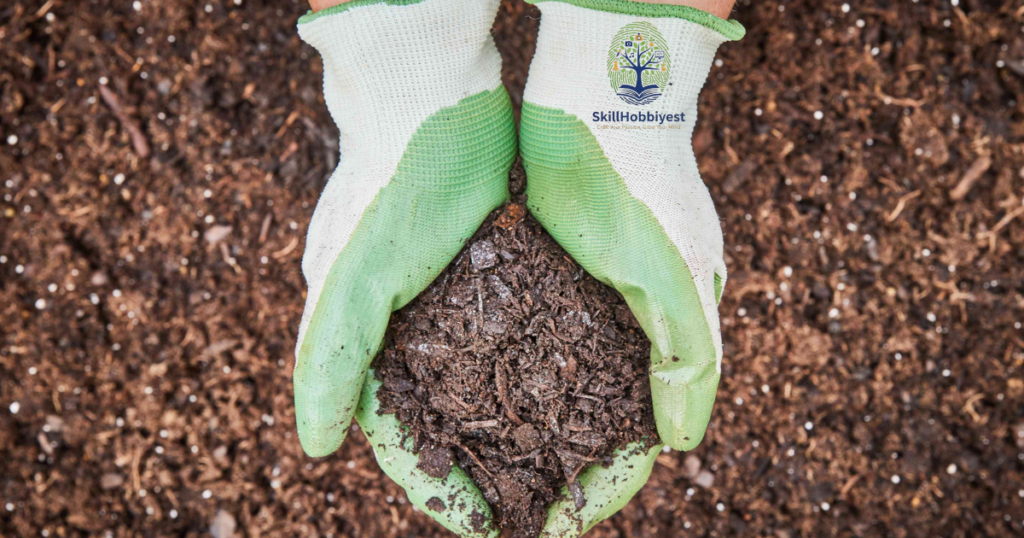
Mushroom compost originates from leftover materials used in commercial mushroom cultivation. These materials include straw, manure, gypsum, and organic agricultural byproducts. After harvesting mushrooms, the remaining substrate becomes composted for reuse. This recycling process supports sustainability and reduces agricultural waste effectively. Gardeners value mushroom soil amendment for its rich organic matter content.
The compost provides moderate nutrients while improving soil texture and moisture retention. It acts primarily as a soil conditioner rather than a complete fertilizer. Adding organic matter supports beneficial microbes essential for healthy soil ecosystems. Improved aeration allows vegetable roots to expand and absorb nutrients efficiently. These qualities support gradual soil improvement over multiple growing seasons.
The compost typically features a slightly alkaline pH profile. This characteristic benefits acidic soils needing balance for vegetable growth. However, alkaline sensitive plants may require careful compost blending. Testing soil before application helps avoid nutrient imbalance or reduced plant performance. Proper understanding ensures mushroom compost supports rather than hinders vegetables.
Soil Health and Structure Improvements
Soil structure directly affects vegetable root growth and nutrient absorption. Mushroom compost increases aggregation and improves soil crumb formation. Better structure enhances airflow and reduces waterlogging after heavy rains. Roots penetrate deeper, accessing nutrients and moisture more efficiently.
Organic matter encourages earthworms and beneficial soil organisms activity. These organisms naturally aerate soil and improve nutrient cycling processes. Healthy soil biology supports resilient vegetable plants during stress periods. Improved soil structure contributes to long term garden sustainability.
Benefits and Limitations for Vegetable Gardens
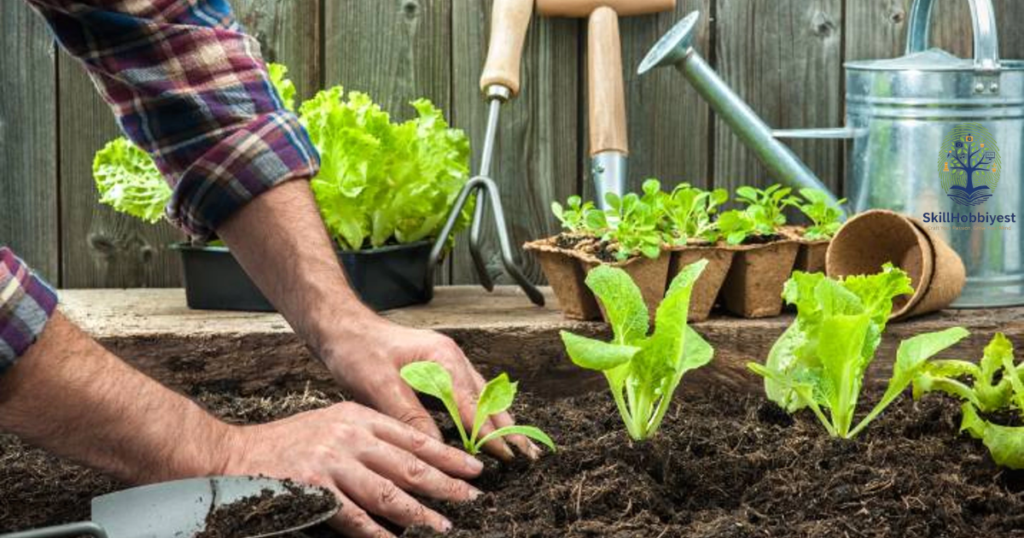
One major benefit involves improved soil structure and better water management. Mushroom compost loosens compacted soils and enhances drainage effectively. It also helps sandy soils retain moisture during hot growing periods. Vegetables benefit from stable moisture levels supporting consistent growth. This balance reduces plant stress and encourages steady nutrient uptake.
Another advantage includes gradual nutrient release supporting long term fertility. Organic matter feeds soil organisms that improve nutrient cycling naturally. Vegetables grown in amended soil often develop stronger root systems. Healthier roots lead to improved plant vigor and overall garden productivity. Over time, soil becomes easier to manage and cultivate.
However, mushroom compost may contain elevated soluble salt levels. Excess salts can damage seedlings or sensitive vegetable varieties. Allowing compost to weather before use reduces potential salt concerns. Blending compost with native soil minimizes risk of plant stress. Understanding limitations ensures safer and more effective garden application.
Crop Compatibility and Selection
Certain vegetables respond particularly well to mushroom compost amended soil. Tomatoes, peppers, squash, and leafy greens often show positive results. These crops tolerate slightly alkaline conditions and benefit from improved structure. Enhanced moisture retention supports consistent fruit development and yields.
Acid loving vegetables may require additional soil amendments. Potatoes and blueberries prefer lower pH soil environments. Mixing mushroom soil amendment with neutral compost balances soil conditions. Crop selection ensures vegetables thrive without nutrient or pH stress.
Best Practices for Application and Timing

Proper timing plays a critical role in successful compost usage. Gardeners often apply mushroom compost during fall or early spring. Fall application allows compost to integrate before the next planting season. Spring application prepares beds shortly before transplanting vegetables. Avoid applying immediately before seed germination for best results.
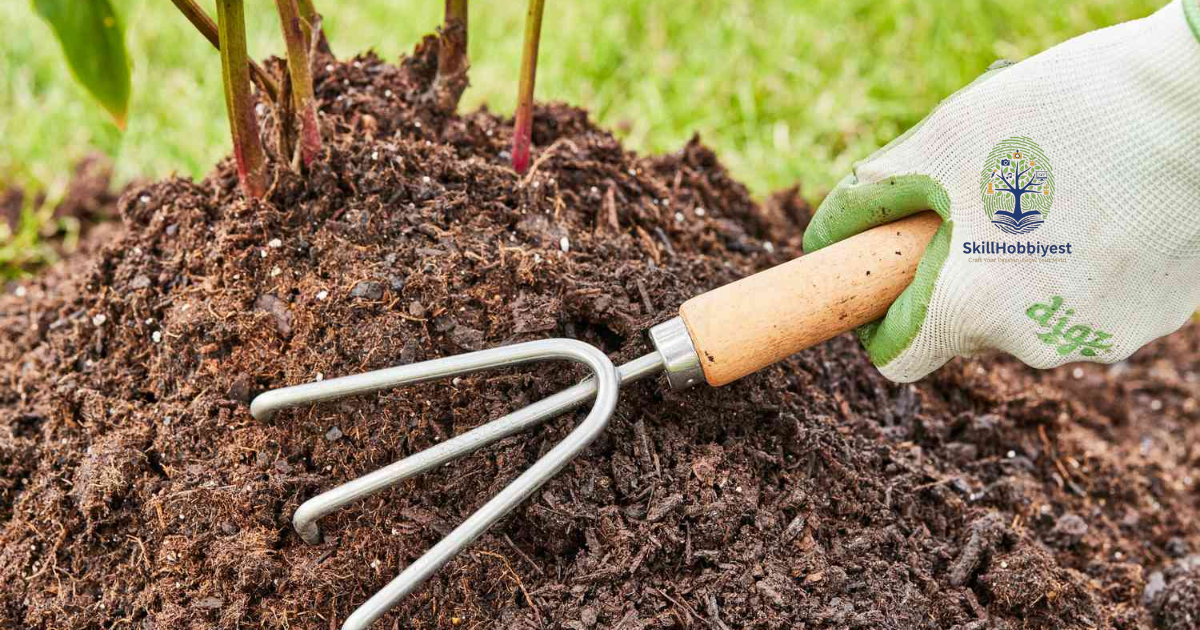
Mixing mushroom soil amendment into topsoil improves distribution and effectiveness. A two to three inch layer works well for most garden beds. Incorporate compost into upper soil layers using gentle cultivation. This method prevents compaction while enhancing soil structure evenly. Consistent mixing supports balanced nutrient availability for vegetables.
Raised beds also benefit greatly from mushroom soil amendment amendments. Compost improves texture and moisture retention within confined soil spaces. Blending with garden soil prevents excessive alkalinity buildup. Raised beds warm quickly and support early vegetable planting. Mushroom compost enhances these benefits when applied responsibly.
Environmental and Sustainability Considerations
Mushroom compost supports environmentally responsible gardening practices. It repurposes agricultural waste that would otherwise require disposal. Using recycled organic materials reduces dependence on synthetic soil products. This approach aligns with sustainable and eco conscious gardening goals.
Organic gardeners appreciate mushroom soil amendment contribution to soil health. When sourced responsibly, it fits well into organic gardening systems. Always verify production methods if certified organic standards matter. Responsible sourcing enhances environmental benefits for home gardens.
- Mushroom compost improves soil structure and supports long term vegetable growth.
- It works best as a soil conditioner rather than complete fertilizer.
- Slightly alkaline pH benefits acidic soils needing balance.
- Excess salts require careful application and proper compost aging.
- Raised beds benefit from improved moisture retention and texture.
Faq’s
Is mushroom compost safe for vegetable gardens long term use?
Yes, when aged properly and mixed correctly, it supports healthy vegetables.
Can mushroom soil amendment replace regular fertilizer entirely for vegetables?
No, it improves soil structure but provides limited nutrients alone.
When should mushroom compost be added to vegetable garden soil?
Apply during fall or early spring for best soil integration.
Does mushroom soil amendment contain too much salt for vegetables?
Some batches may, so weathering and moderate application reduce risks.
Is mushroom soil amendment suitable for raised vegetable garden beds?
Yes, blended properly, it enhances texture and moisture retention effectively.
Conclusion
Mushroom compost offers valuable benefits for vegetable garden soil improvement. It enhances structure, moisture retention, and organic matter content. When applied correctly, vegetables develop stronger roots and healthier growth. Understanding composition helps gardeners avoid common application mistakes. Informed use ensures mushroom soil amendment supports productive gardens.
While not a complete fertilizer, mushroom soil amendment complements organic amendments well. Its sustainable origins align with eco friendly gardening practices. Balanced use improves soil health gradually over multiple seasons. Gardeners should monitor soil pH and salt levels regularly This approach maximizes benefits while protecting sensitive vegetables.
Ultimately, mushroom compost can be a smart garden addition. Success depends on timing, moderation, and crop compatibility considerations. With proper management, it supports long term soil fertility naturally. Healthy soil leads to reliable harvests and resilient vegetable plants. Thoughtful application transforms waste materials into valuable garden resources.
Read more latest Articles on Skillhobbiyest.com