Gardeners often ask if colored mulch is safe for vegetable gardens. Mulch improves soil moisture retention and suppresses weeds effectively. However safety concerns increase when mulch surrounds edible vegetable crops. Colored mulch adds visual appeal but raises questions about chemical exposure. Understanding mulch composition helps gardeners make safer growing decisions. Many gardeners prioritize food safety over decorative garden appearance. Clear information helps reduce confusion and unnecessary gardening fears.
Vegetable gardens require careful soil management for healthy plant development. Anything added to soil can influence nutrient absorption and food safety. Colored mulch is common in landscaping but less common for vegetables. Gardeners worry about dyes leaching into soil over time. Research and practical experience help clarify these safety concerns. Soil awareness improves vegetable quality and overall garden productivity. Small choices often create significant long term gardening results.
Mulch choice affects plant growth, soil health, and long-term garden success. Natural mulch options have long been trusted by vegetable gardeners. Colored mulch offers durability but lacks organic soil improvement benefits. Knowing risks helps gardeners balance appearance with crop safety. This guide explains colored mulch safety using simple, clear information. Informed decisions lead to healthier gardens and safer harvests. Education empowers gardeners to grow food more confidently.
Table of Contents
Understanding Colored Mulch and Its Composition
Colored mulch is typically made from shredded recycled wood materials. Manufacturers treat this wood with dyes for enhanced visual appeal. These dyes are often carbon based or iron oxide based compounds. Many products claim non toxic properties when used properly. Quality and sourcing greatly influence mulch safety levels. Manufacturing standards vary between mulch producers and suppliers. Better processing usually results in safer mulch products.
Some colored mulch originates from recycled pallets or construction wood. Low quality sources may include treated or painted wood fragments. These materials can introduce unwanted chemicals into garden soil. Vegetable gardens are more sensitive to such contamination risks. Choosing reputable mulch suppliers helps reduce potential exposure. Trusted suppliers provide transparency about sourcing materials. Unknown sources increase uncertainty and gardening risks.
Mulch labels rarely disclose complete sourcing or processing information. Gardeners should ask suppliers about materials and dye ingredients. Certified products offer better assurance for edible garden use. Unknown bulk mulch sources pose higher safety risks overall. Informed choices protect both soil health and vegetable quality. Asking questions prevents long term garden contamination issues. Awareness helps gardeners avoid unnecessary soil damage.
Red and Black Mulch in Vegetable Beds
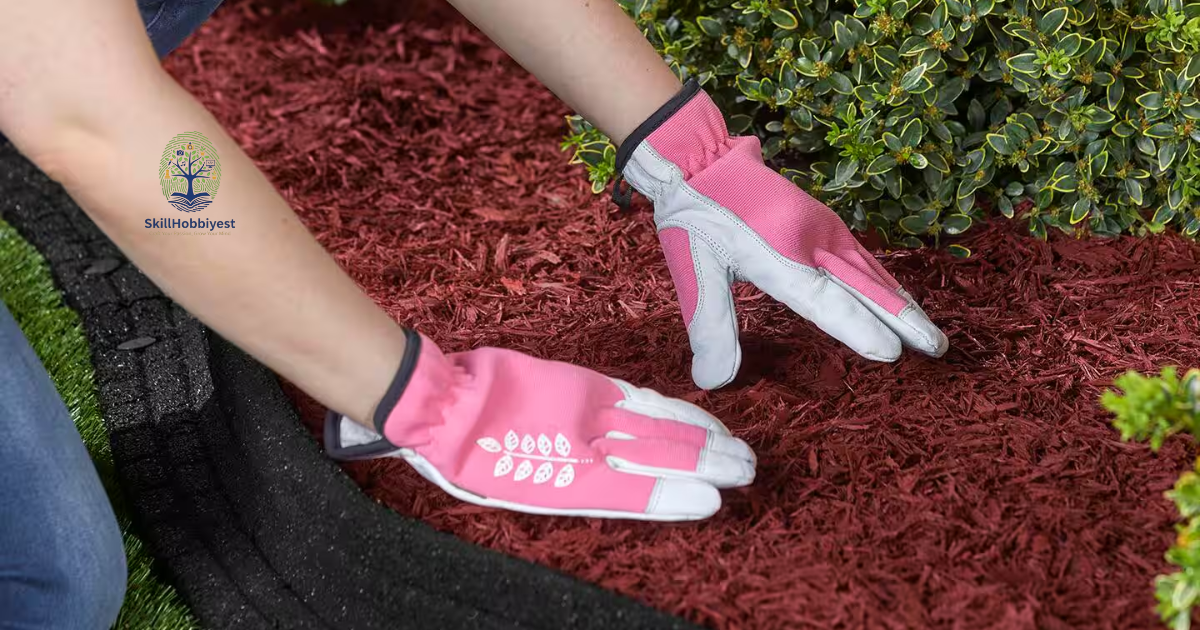
Red mulch often contains iron oxide based coloring agents. Iron is naturally present in many healthy garden soils. Low quality red mulch may contain additional contaminants. Source transparency determines safety for vegetable gardens. Reputable manufacturers reduce risks through controlled dye processes. Poor quality mulch increases chances of soil contamination.
Black mulch absorbs significant heat during sunny conditions. This can accelerate growth for warm season vegetables. Excess heat may stress cool season crops. Moisture monitoring becomes essential when using black mulch. Watering adjustments help prevent root damage issues. Shade sensitive crops require additional protection measures.
Effects of Colored Mulch on Soil and Plant Growth
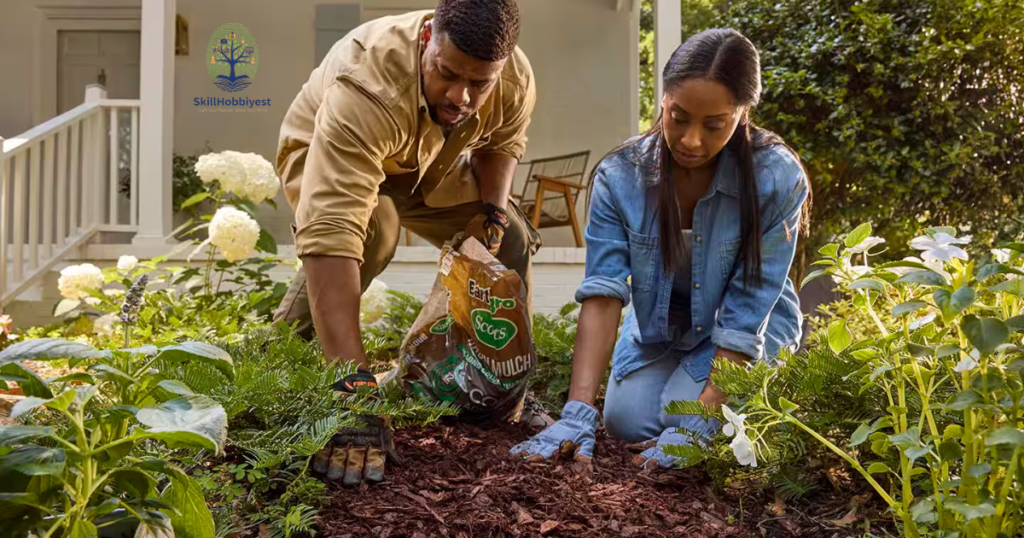
Colored mulch impacts soil temperature differently than natural organic mulch. Dark colors absorb heat and warm soil faster during growing seasons. Some vegetables benefit while others experience heat stress issues. Soil moisture levels may fluctuate more under dyed mulch. Monitoring plant response helps prevent growth problems. Temperature control plays a key role in plant health. Balanced conditions support consistent vegetable development.
Dyed mulch breaks down slower than untreated organic materials. This limits nutrient contribution to soil over time. Soil microbes prefer natural organic matter for sustained activity. Reduced microbial activity affects long term soil fertility. Vegetable productivity depends on healthy soil ecosystems. Organic matter improves soil structure and drainage naturally. Healthy soil supports stronger root systems.
Plant roots can absorb substances present in surrounding soil. Potential dye residues raise concerns about edible plant safety. Most modern dyes show minimal short term plant toxicity. Long term soil buildup remains a debated issue. Moderation and careful placement reduce potential risks. Periodic soil replacement may reduce accumulated residues. Cautious use supports safer vegetable consumption.
Organic Alternatives to Colored Mulch
Straw mulch is widely used in vegetable gardens safely. It improves moisture retention and suppresses weeds effectively. Straw decomposes naturally and enriches soil structure. It poses no chemical contamination risks. Straw mulch is affordable and widely available. It supports beneficial soil organisms naturally.
Leaf mulch provides excellent insulation and organic matter. Compost mulch feeds soil microbes and improves fertility. Grass clippings offer nitrogen when applied thinly. Natural mulches support long term garden health. These materials recycle yard waste efficiently. They improve sustainability in home gardening.
Safety Considerations for Vegetable Gardeners
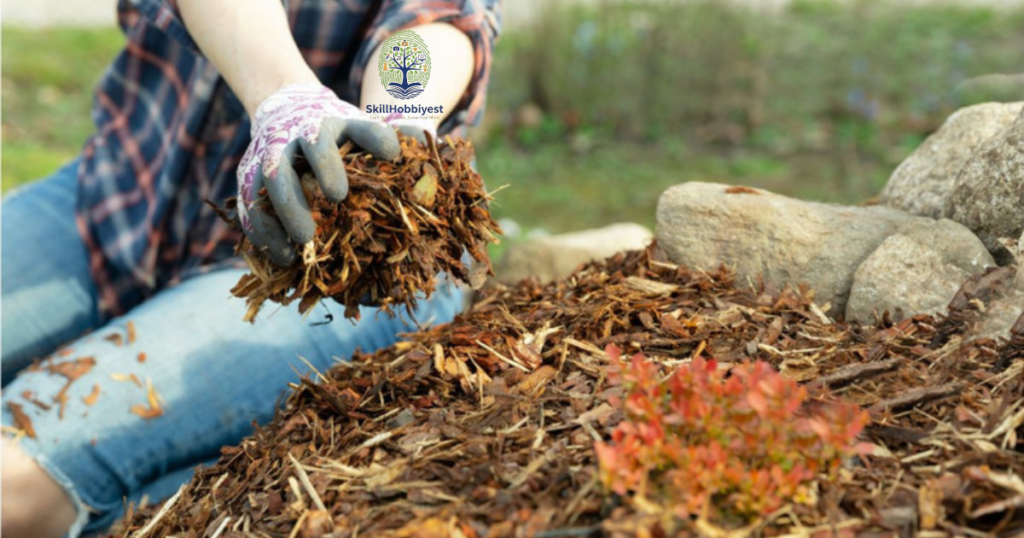
Vegetable gardens require stricter safety standards than ornamental landscapes. Food crops directly affect human health through consumption. Mulch should never contact vegetable stems or root crowns. Surface application reduces soil contamination risks significantly. Regular soil testing helps identify unwanted chemical buildup. Testing provides early warnings of contamination problems. Preventive care protects long term garden health.
Organic gardeners typically avoid colored mulch altogether. Dyed mulch rarely meets organic certification requirements. Natural mulches align better with sustainable gardening principles. Appearance should never outweigh soil and food safety. Health focused gardeners choose function over decorative appeal. Organic practices support balanced soil ecosystems naturally. Sustainability remains a primary gardening goal.
Using colored mulch occasionally may not cause immediate harm. Continuous use increases potential contamination over several seasons. Rotation with natural mulch improves soil recovery. Awareness helps gardeners make balanced, informed decisions. Safer practices support long term vegetable garden success. Observation helps gardeners adjust mulch strategies early. Flexibility leads to healthier gardening outcomes.
Best Practices for Mulch Safety
Always verify mulch source before applying in vegetable gardens. Avoid mulch containing painted or treated wood materials. Keep mulch layers shallow around edible plants. Replace dyed mulch periodically with natural alternatives. Routine checks reduce unnoticed soil contamination risks. Responsible use improves overall garden safety.
Never till colored mulch directly into vegetable garden soil. Surface placement limits root exposure to potential chemicals. Observe plant health regularly throughout growing seasons. Adjust mulch strategy based on visible plant responses. Early detection prevents serious plant health problems. Consistent care leads to stronger vegetable growth.
- Choose mulch labeled safe for vegetable and edible plant use.
- Avoid unknown bulk mulch sources with unclear material origins.
- Keep dyed mulch away from vegetable stems and roots.
- Monitor soil temperature and moisture under colored mulch.
- Rotate mulch types to maintain healthy soil balance.
Faq’s
Is colored mulch safe for vegetable gardens long term?
Short term use is usually safe, but long term buildup increases potential risks. Careful monitoring reduces potential health concerns.
Can dyed mulch affect soil quality over time?
Dyed mulch breaks down slowly and contributes fewer nutrients than organic mulch. Soil enrichment may require additional amendments.
Are mulch dyes harmful to vegetables?
Most modern dyes are low toxicity, but poor quality mulch increases risks. Source verification improves safety outcomes.
Should organic gardeners use colored mulch?
Organic gardeners generally avoid dyed mulch due to certification limitations. Natural alternatives better align with organic principles.
What mulch is safest for vegetable gardens?
Straw, leaves, compost, and untreated wood mulch remain the safest options. These materials improve soil health naturally.
Conclusion
Colored mulch offers visual appeal but raises vegetable garden safety concerns. Quality, sourcing, and application methods determine overall risk levels. Vegetable gardens require higher safety standards than ornamental landscapes. Understanding mulch composition helps prevent long term soil issues. Informed choices protect both crops and consumer health. Education reduces unnecessary gardening mistakes. Knowledge supports safer food production.
Natural mulch options consistently provide better soil health benefits. They support microbial activity and improve long term fertility. Colored mulch should be used cautiously and sparingly. Monitoring soil and plant health remains essential. Balanced decisions lead to healthier vegetable harvests. Natural materials enhance sustainability and garden resilience. Soil vitality improves crop performance naturally.
Gardeners must weigh appearance against food safety priorities. Choosing safe mulch supports sustainable vegetable gardening practices. Avoiding unnecessary risks protects family health and soil quality. Knowledge empowers smarter gardening decisions over time. Healthy soil ultimately produces healthier, safer vegetables. Responsible choices benefit future growing seasons. Thoughtful gardening ensures lasting success.
Read more latest Articles on Skillhobbiyest.com