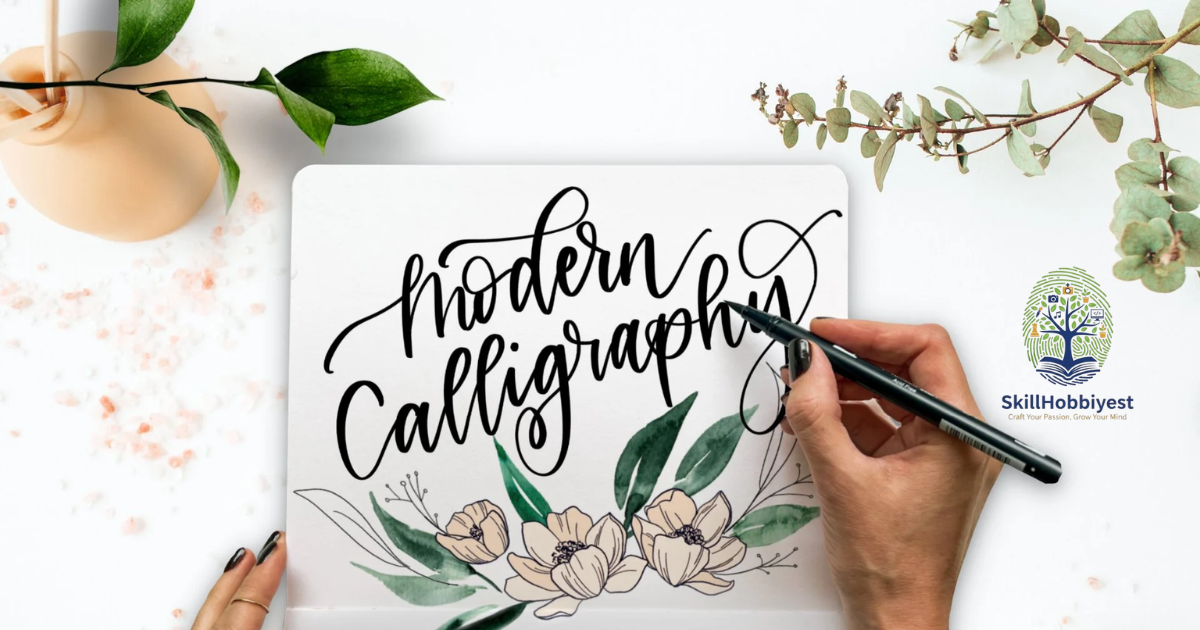
Calligraphy is an art form that transforms simple writing into graceful, expressive letters. Many believe you need expensive pens, nibs, or inks to begin learning. In reality, all you need are basic tools and creative determination. With a few DIY hand lettering techniques, you can achieve elegant handwritten designs easily. This guide will help you master hand lettering using simple, everyday writing instruments.
Learning how to write calligraphy without a hand lettering pen is surprisingly fun. You can use pencils, markers, or gel pens to create artistic effects. Through practice and patience, your regular handwriting can evolve into something beautiful. Even beginners can follow this faux calligraphy guide with quick, simple techniques. It’s all about mimicking strokes and developing smooth, balanced letter shapes.
Whether you want to decorate cards or improve your penmanship, calligraphy fits all. By using creative writing tools, you can experiment without needing professional kits. This approach focuses more on control, style, and personal creativity than perfection. You’ll soon realize that hand lettering without special tools can look truly professional. Let’s explore how to start your artistic writing journey right from home.
Table of Contents
Understanding Faux Calligraphy and Its Basics
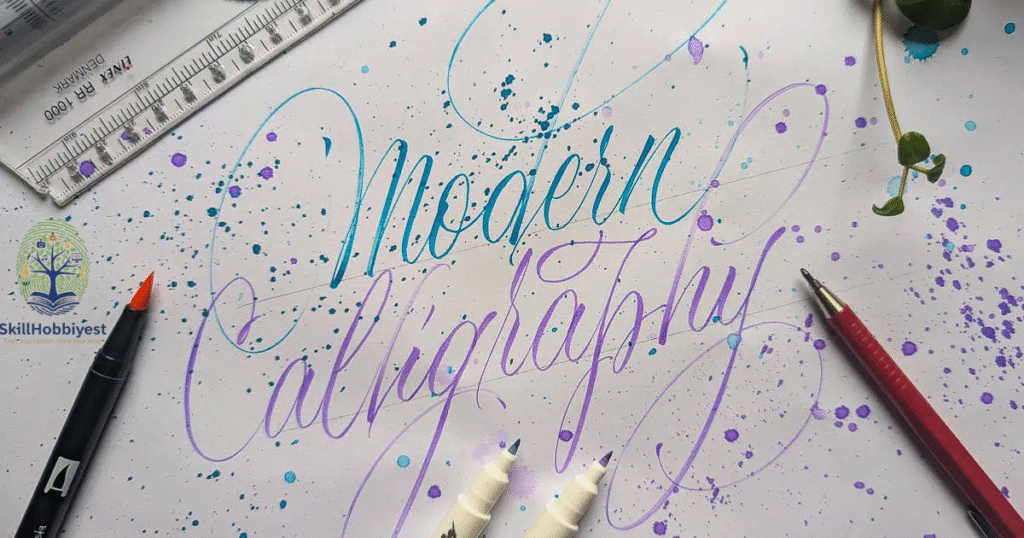
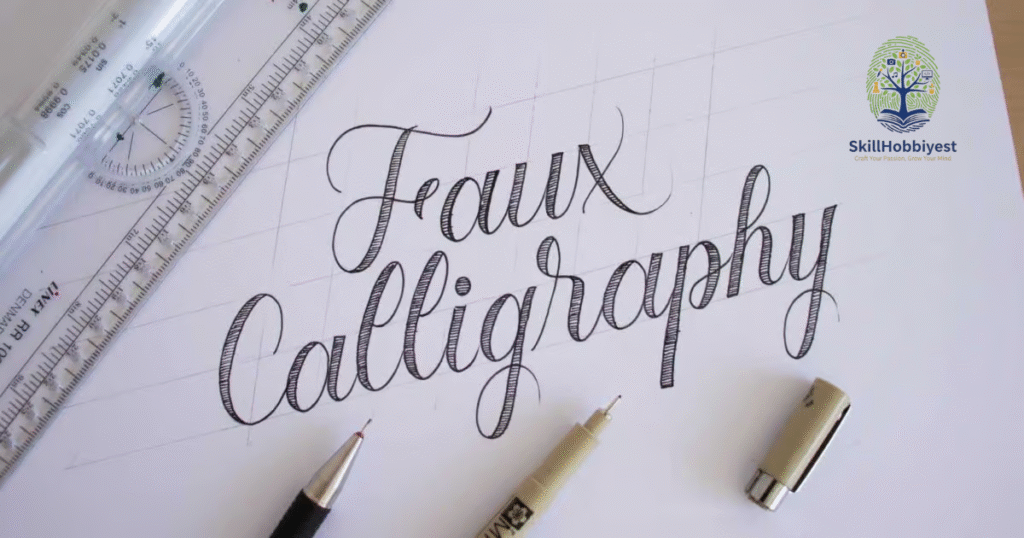
Calligraphy has always been admired for its elegant, flowing letter forms. Traditional hand lettering uses special pens, inks, and precise stroke pressure control. However, faux calligraphy allows you to recreate this effect using normal pens. This technique focuses on visually thickening lines to imitate genuine pen strokes. It’s ideal for beginners who want to explore hand lettering in a simple way.
Learning how to mimic hand lettering strokes starts with understanding upstrokes and downstrokes. Upstrokes are thin, while downstrokes should appear bold and heavier. By drawing a second line beside each downstroke, you create depth. Then fill those spaces carefully to get the classic hand lettering appearance. With practice, you’ll form beautiful, balanced letters using ordinary writing tools.
This approach opens creativity and removes the need for expensive writing instruments. It’s one of the most easy ways to learn calligraphy from home. All you need is patience, focus, and consistent practice every single day. The best part is watching your plain handwriting evolve into something artistic. Soon, you’ll write elegantly even when using just a pencil or pen.
- Practice DIY hand lettering techniques daily to improve consistency, control, and artistic precision.
- Use brush pen alternatives like markers or pencils for flexible, smooth lettering strokes.
- Follow a fake calligraphy tutorial to understand stroke patterns and letter formation better.
The Beauty of Writing Without Expensive Tools

Many people believe art requires fancy materials, but creativity proves otherwise. You can create elegant calligraphy with pencils, pens, or even markers. Learning hand lettering without special tools lets you appreciate the essence of simplicity. It focuses on skill, control, and personal artistic expression over costly equipment.
The beauty of this method lies in its accessibility and charm. It allows anyone to practice artistic handwriting techniques from any location easily. You can design greeting cards, journals, or wall art with grace. All it takes is imagination, patience, and consistent everyday writing practice.
Tools and Techniques for Hand Lettering Without a Pen
You don’t need luxury pens to master the art of graceful writing. Simple creative writing tools like pencils, markers, or gel pens work perfectly. Each tool offers different textures that influence how your strokes appear. Experiment with brush pen alternatives such as highlighters or felt-tip markers. You’ll be amazed how everyday items can create stunning artistic letters.
Using calligraphy with pencil helps you gain control over pressure and form. Pencils are forgiving, letting you erase and adjust your practice strokes. They’re excellent for hand lettering for beginners who want a smooth start. Markers, however, add bolder lines for experimenting with modern hand lettering styles. Combining both tools gives variety and helps you develop your unique lettering flow.
These DIY hand lettering techniques make learning flexible, creative, and budget-friendly. They allow you to enjoy writing beautifully without tools that professionals require. You can practice on scrap paper, notebooks, or digital tablets with ease. This method builds confidence while enhancing your natural penmanship and style. With regular effort, your letters will look refined, artistic, and highly expressive.
Simple Hand Lettering Hacks to Improve Your Lettering
There are countless simple calligraphy hacks that make learning easier and faster. You can outline your letters or fill them with vibrant colors. Using creative writing tools helps add decorative touches without losing structure. These tricks bring more life and personality into your handwritten designs.
Practice shading lightly on one side to create a depth illusion. Try different brush pen alternatives for thicker or softer edges as needed. Don’t worry about perfection — focus on rhythm and steady hand motion. Small adjustments can help you improve lettering without hand lettering pen effectively.
Practicing Faux Hand Lettering for Beginners
If you’re just starting, follow a faux calligraphy guide consistently every day. Begin by writing simple words and slowly building more confident strokes. Observe your downstrokes carefully and learn how to mimic hand lettering strokes smoothly. Over time, this practice enhances muscle memory and creative hand control.
Beginners should always try easy ways to learn hand lettering patiently and mindfully. Keep sessions short but regular to maintain enthusiasm and focus clearly. Mix both pencils and markers for a balance of precision and flow. Soon, you’ll master beginner-friendly lettering methods without any expensive hand lettering pens.
Practicing and Mastering Your Hand Lettering Skills
To improve faster, follow structured beginner-friendly lettering methods consistently every day. Practice writing alphabets, names, and phrases in different fonts and angles. Focus on smooth transitions, spacing, and how letters connect elegantly together. Use guides from a fake calligraphy tutorial to build accuracy and rhythm. These habits develop muscle memory and refine your overall handwriting control.
You can also try simple calligraphy hacks to enhance your learning process. Use graph paper for balance or outline letters with a contrasting shade. Add gentle shadows to make your designs appear three-dimensional and dynamic. Such artistic handwriting techniques add character and polish to your hand lettering work. As you improve, combine styles to make your lettering modern yet authentic.
Over time, you’ll turn handwriting into hand lettering through practice and creativity. Work on your penmanship improvement methods to enhance consistency and symmetry. Try mastering hand lettering at home with fun, motivational quote projects. Once you draw hand lettering fonts by hand, your artistic confidence will grow. Every page you write brings you closer to elegant, professional-looking hand lettering.
- Always create calligraphy effect with normal pen by thickening downward lines carefully.
- Keep experimenting with modern hand lettering styles to develop your own artistic personality.
- Apply hand lettering tips that emphasize balanced spacing and smooth curve transitions.
Turning Your Handwriting Into Elegant Hand Lettering
Transforming your writing into art takes practice and purposeful attention to detail. You can slowly turn handwriting into calligraphy by refining each individual letter. Follow curves naturally, and maintain spacing between every graceful word. Eventually, your writing will showcase balance, harmony, and artistic expression.
Try writing inspirational quotes to create hand lettering effect with normal pen beautifully. Explore various handwriting art ideas to find a style that matches your taste. By combining techniques, you can achieve modern hand lettering styles effortlessly. These elegant writing tricks help transform ordinary letters into timeless, creative art.
- Begin your journey with beginner-friendly lettering methods to build steady writing confidence.
- Try faux calligraphy guide exercises to practice graceful alphabets without expensive tools.
- Explore artistic handwriting techniques that add elegance, creativity, and unique visual appeal.
- Use penmanship improvement methods to refine stroke thickness and precision naturally.
- Continue mastering hand lettering at home until your writing becomes effortlessly beautiful.
Faq’s
Can I learn calligraphy using a regular ballpoint or gel pen?
Yes, you can easily create calligraphy effect with normal pen beautifully. Focus on slow, steady strokes and adjust thickness on downstrokes carefully.
What are the best tools for beginners practicing faux hand lettering?
Start with pencils, markers, or brush pen alternatives like felt-tip pens. These tools allow better control and make corrections simple for learners.
How long does it take to master hand lettering without special tools?
With daily practice, you can see progress in just a few weeks. Consistency, patience, and following DIY hand lettering techniques speed up your learning.
Do I need artistic skills before learning modern calligraphy styles?
No, calligraphy for beginners focuses on learning stroke patterns and letter balance. Anyone can improve through practice and simple hand lettering hacks daily at home.
Can practicing hand lettering improve my normal handwriting and creativity?
Yes, regular practice enhances penmanship improvement methods and sharpens fine motor control. It also boosts focus, patience, and inspires unique handwriting art ideas.
Conclusion
Learning how to write calligraphy without a hand lettering pen is truly empowering. It proves that creativity doesn’t rely on expensive tools or professional materials. By using simple instruments, you can produce artistic, elegant, and graceful writing. These DIY hand lettering techniques let you explore your unique handwriting potential freely. All it takes is patience, consistency, and genuine love for beautiful lettering.
As you continue practicing faux calligraphy guide exercises daily, progress becomes visible quickly. Your letters will flow smoother, and your designs will look professionally crafted. Experimenting with brush pen alternatives encourages creativity and improves writing precision too. Focus on small improvements each day instead of chasing perfection immediately. Eventually, your hand movements will feel natural, confident, and effortlessly artistic.
The journey to mastering hand lettering at home is both relaxing and rewarding. You can create meaningful works of art with simple calligraphy hacks. Hand Lettering teaches discipline, focus, and appreciation for visual creativity and design. No matter your tools, writing beautifully without tools remains an achievable goal. Start practicing today, and discover endless artistic joy through handwritten expression.
Read more latest Articles on Skillhobbiyest.com