

Intrapersonal skills help individuals understand themselves and manage inner thoughts effectively. These skills influence emotions, decisions, motivation, and personal behavior every single day. They shape how people respond to challenges, stress, opportunities, and everyday situations. Strong intrapersonal abilities support mental clarity, confidence, resilience, and emotional balance. Many people ask what intrapersonal skills are and why they matter.
Intrapersonal skills focus on self-awareness, reflection, discipline, motivation, and inner control. They are different from interpersonal skills, which focus on communication with others. These abilities guide how individuals think, feel, react, and make decisions. They are essential personal development skills for long-term success. Without intrapersonal strength, people may struggle with focus, stress, and confidence.
In modern life, intrapersonal skills play a critical role in wellbeing. They help people manage emotions, thoughts, goals, and daily responsibilities effectively. These skills are closely connected to emotional intelligence and self-management. When developed properly, they improve clarity, focus, discipline, and inner motivation. They also support healthy decision-making, personal growth, and self-confidence.
Table of Contents
Understanding Intrapersonal Skills and Their Meaning
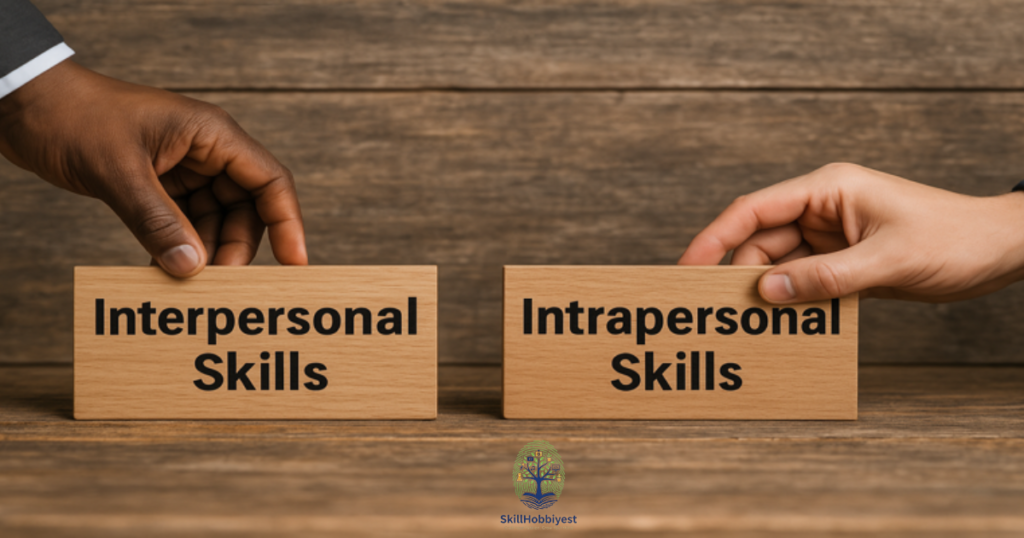
Intrapersonal skills refer to abilities that help individuals understand themselves deeply. These skills involve thoughts, emotions, motivations, beliefs, and inner personal awareness. They guide how people think, react, behave, and make daily life decisions. Strong intrapersonal skills support emotional balance, confidence, and mental clarity. They help individuals stay focused, calm, and purposeful during challenging situations.
Intrapersonal skills begin with awareness of thoughts, feelings, and internal reactions. This awareness allows people to recognize emotional patterns and personal triggers. By observing themselves, individuals gain better control over actions and responses. These skills promote responsibility for personal behavior and emotional reactions. They also support honest self-evaluation and meaningful personal insight.
Developing personal insight skills requires patience, practice, and consistent self-reflection. Individuals must take time to evaluate experiences, thoughts, and emotional responses. This process improves clarity and reduces impulsive decision-making. With practice, people become more intentional and self-directed. These skills help align actions with values, goals, and personal beliefs. As a result, individuals experience greater inner stability and confidence.
Self-Awareness and Self-Reflection in Personal Growth
Self-awareness allows individuals to recognize emotions, thoughts, and inner reactions. It helps people understand emotional triggers and patterns shaping daily behavior. This awareness improves control over responses during stressful or challenging situations. Without awareness, emotions may guide decisions impulsively, causing regret later.
Reflection encourages individuals to review experiences and learn meaningful personal lessons. It supports honest evaluation of actions without excessive self-criticism. Through reflection, people gain insight into strengths, weaknesses, and recurring habits. Regular reflection strengthens emotional maturity, patience, and thoughtful decision-making.
Importance of Personal Insight Skills in Daily Life

Intrapersonal skills influence how individuals manage stress and emotional challenges. They help people remain calm during pressure and uncertainty. Strong inner skills support better emotional control and thoughtful responses. This reduces conflict, anxiety, and unnecessary emotional reactions. People with strong personal insight skills adapt better to change. They also recover faster from setbacks and disappointments.
Daily decisions are shaped by intrapersonal awareness and self-understanding. When individuals know themselves, decisions become clearer and more confident. They can identify what truly matters and avoid distractions. This leads to better time management and improved productivity. Personal responsibility increases when inner awareness is strong. As a result, life feels more organized, balanced, and purposeful.
Intrapersonal skills also affect motivation, discipline, and personal habits. They help individuals stay committed to goals despite challenges. Inner motivation keeps progress steady without constant external encouragement. Self-discipline strengthens consistency and long-term success. These skills support healthy routines and positive behavioral choices. Together, they create a strong sense of personal control and direction.
Self-Regulation and Self-Control Skills
Self-regulation techniques help individuals manage emotions before reacting impulsively. These techniques include pausing, breathing deeply, and reframing negative thoughts. They reduce emotional intensity and support calmer, more rational responses. Effective regulation prevents conflicts and improves emotional stability over time.
Self-control skills help individuals resist distractions, unhealthy habits, and temptations. These skills support focus, discipline, and consistent progress toward important goals. Strong self-control improves productivity, decision quality, and personal accountability. It helps individuals prioritize long-term benefits over short-term comfort.
Developing and Strengthening Personal Insight Skills

Intrapersonal skills can be developed through regular self-reflection practices. Writing thoughts and experiences helps clarify emotions and patterns. Reflection encourages learning from mistakes without harsh self-judgment. This habit builds awareness, patience, and emotional maturity. Over time, individuals gain deeper insight into their inner world. This insight supports better emotional regulation and understanding.
Mindfulness is another effective way to strengthen personal insight skills. Being present helps individuals notice thoughts without immediate reaction. This awareness reduces stress and improves emotional balance. Mindfulness also strengthens focus, attention, and inner calm. With practice, individuals respond thoughtfully rather than impulsively. This leads to healthier emotional and behavioral choices.
Goal setting also plays an important role in intrapersonal development. Clear goals provide direction, motivation, and personal meaning. When goals align with values, commitment becomes stronger. Regular review of goals improves focus and accountability. This process builds confidence and inner motivation. Through consistent effort, intrapersonal skills continue to grow over time.
Inner Motivation and Goal Setting
Inner motivation skills drive individuals to pursue goals from within. This motivation is fueled by purpose, values, and personal meaning. People with inner motivation rely less on external rewards or praise. They remain committed during difficulties, setbacks, and slow progress periods. Inner motivation supports resilience, persistence, and long-term achievement success.
Goal setting channels motivation into clear, actionable, and meaningful direction. Well-defined goals improve focus, planning, and daily effort management. Reviewing goals regularly helps individuals stay aligned with values consistently. Achieving small goals builds confidence and reinforces positive inner motivation. Together, motivation and goals strengthen personal direction and self-belief.
- Intrapersonal skills help individuals understand emotions, thoughts, motivations, and personal behavior.
- These skills support emotional balance, self-control, and confident decision-making.
- Strong intrapersonal abilities improve focus, discipline, and personal goal achievement.
- Developing personal insight skills enhances mental wellbeing, resilience, and inner stability.
- Intrapersonal skills encourage lifelong learning, personal growth, and self-awareness.
Faq’s
What are intrapersonal skills and why are they important daily?
They help individuals understand emotions, thoughts, motivations, and inner personal behavior. These skills improve self-control, focus, confidence, and responsible decision-making.
How can personal insight skills be developed effectively over time consistently?
They develop through self-reflection, mindfulness, goal setting, and consistent practice. Regular evaluation of thoughts, emotions, and actions strengthens long-term growth.
What is the difference between intrapersonal and interpersonal skills abilities?
Why are intrapersonal skills important for stress management and wellbeing?
Why are personal insight skills important for stress management and wellbeing?
They help manage emotions calmly during pressure, uncertainty, and challenging situations. This reduces anxiety, improves focus, and supports emotional balance daily.
Can personal insight skills improve confidence and decision-making abilities overall?
Yes, understanding yourself builds confidence, clarity, and trust in decisions. Better self-awareness leads to thoughtful choices and reduced self-doubt.
Conclusion
Intrapersonal skills play a vital role in understanding thoughts, emotions, and behaviors. They help individuals develop clarity, confidence, discipline, and emotional balance. These skills guide personal decisions, habits, and responses to life challenges. Strong intrapersonal abilities support mental wellbeing and long-term personal success. They encourage responsibility, self-awareness, and meaningful personal growth.
Building personal insight skills requires patience, consistency, and honest self-reflection. Daily awareness of emotions, thoughts, and actions strengthens inner understanding. Over time, individuals gain better emotional control and focused decision-making. These abilities help manage stress, pressure, and internal conflicts effectively. With practice, personal insight skills become natural and deeply ingrained habits.
Intrapersonal skills empower individuals to live with purpose, clarity, and self-trust. They improve motivation, discipline, and long-term goal achievement. Understanding yourself allows better alignment between values, actions, and decisions. These skills support lifelong learning, adaptability, and emotional intelligence. As intrapersonal abilities strengthen, individuals feel more in control. Ultimately, personal insight skills shape a healthier, more fulfilling life.
Read more latest Articles on Skillhobbiyest.com