
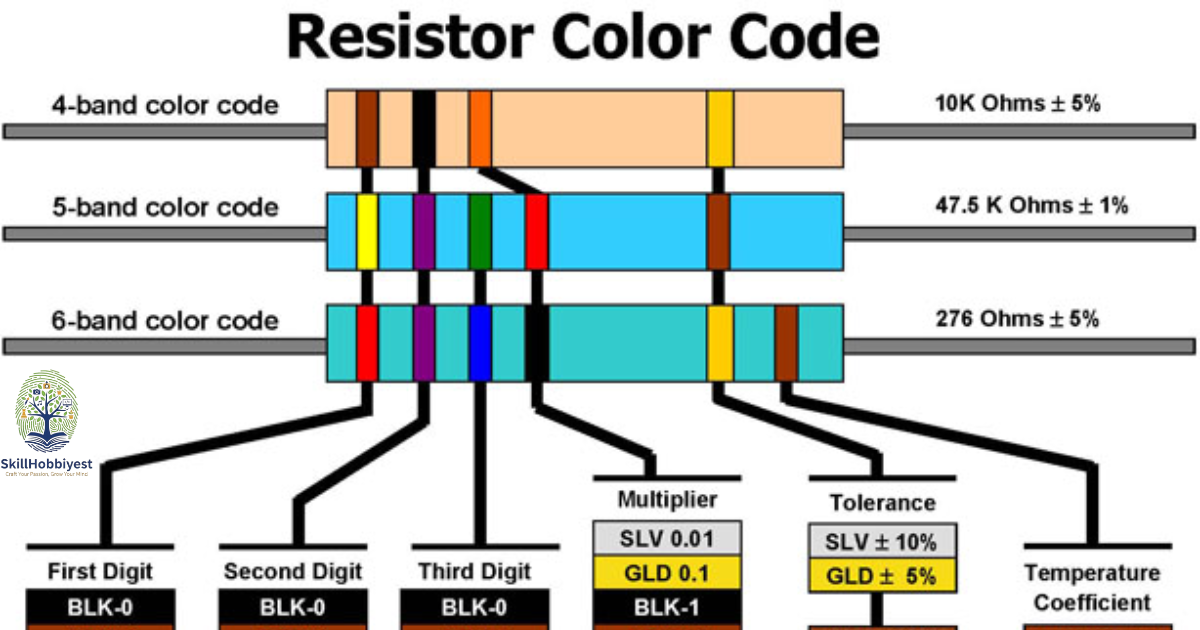
Color Coding of Resistor is an essential electronics skill for beginners. Most resistors display values using colored bands instead of printed numbers. Learning this system helps identify resistance values quickly and accurately. Many learners feel confused when seeing multiple colored bands initially. With proper guidance, reading resistor color codes becomes simple and logical.
Resistor color coding are used worldwide in electronic components. They provide resistance, tolerance, and multiplier information through colors. Knowing this system prevents wrong resistor selection in circuits. Mistakes in resistance values can damage sensitive electronic components. Practicing color code reading improves speed and confidence over time. This guide is suitable for students, hobbyists, and beginners alike.
By following structured steps, anyone can master resistor color coding. The method works for both four band and five band resistors. Visual charts and practice examples make learning easier. Understanding color sequences reduces dependency on calculators. Hands-on practice strengthens memory and recognition skills. Let us begin with the basic concepts of resistor color codes. Learning fundamentals creates a strong electronics foundation.
Table of Contents
Understanding Resistor Color Code Basics
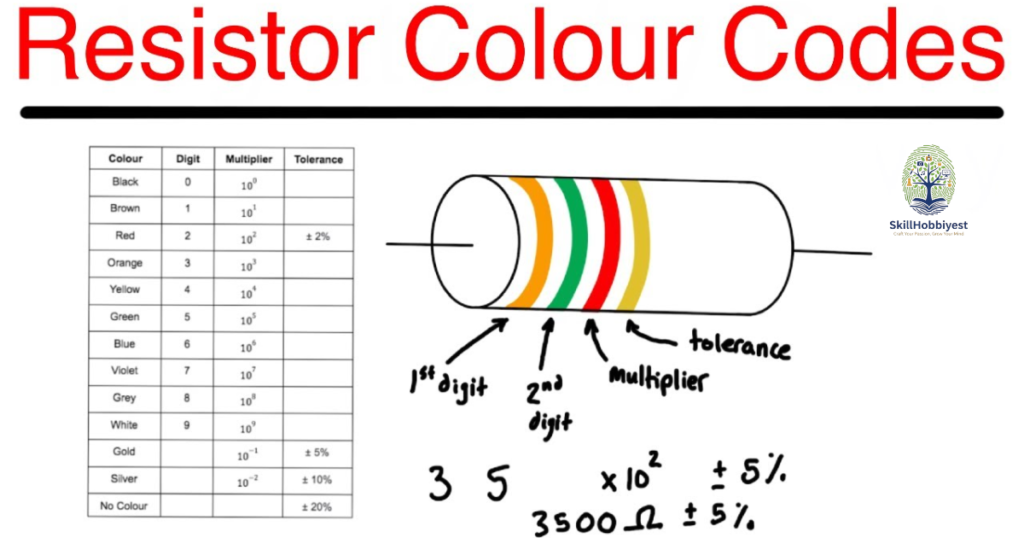
Resistor color codes represent numerical values using standardized color sequences. Each color corresponds to a specific digit used in calculations. The position of each band determines its meaning and purpose. Most resistors include digit bands, multiplier bands, and tolerance bands. Correct orientation is important before reading any resistor bands. Tolerance bands are usually gold or silver and placed at the end. Proper orientation prevents incorrect readings.
The first bands always represent significant digits of resistance value. The multiplier band determines how many zeros are added afterward. Tolerance bands show how accurate the resistor value actually is. Ignoring tolerance can affect circuit performance and reliability. Color coding help avoid printing tiny numbers on small components. This system ensures durability and readability across different resistor sizes. Color coding works even on very small resistors.
Using a resistor color code chart simplifies learning for beginners. Charts display colors with their numeric and tolerance meanings. Memorizing common colors speeds up reading resistors quickly. Charts are widely available in books and online resources. They are useful for practice and quick verification. Beginners should keep a chart nearby during learning stages. Visual charts reduce learning stress significantly. They also help prevent common reading mistakes.
Common Mistakes While Reading Resistors Color Coding
Reading resistor bands in the wrong direction causes incorrect values. Always locate the tolerance band before starting to read. Confusing multiplier bands with digit bands is another mistake. Misidentifying colors under poor lighting can cause errors. Using magnification helps read small resistor markings accurately. Proper lighting improves color visibility significantly.
Skipping tolerance bands leads to inaccurate component selection. Some beginners ignore tolerance importance in circuit design. Tolerance affects current flow and voltage stability significantly. Always verify tolerance using charts or references. Careful observation prevents unnecessary circuit failures. Small errors can cause major circuit issues.
Reading Four Band and Five Band Resistors
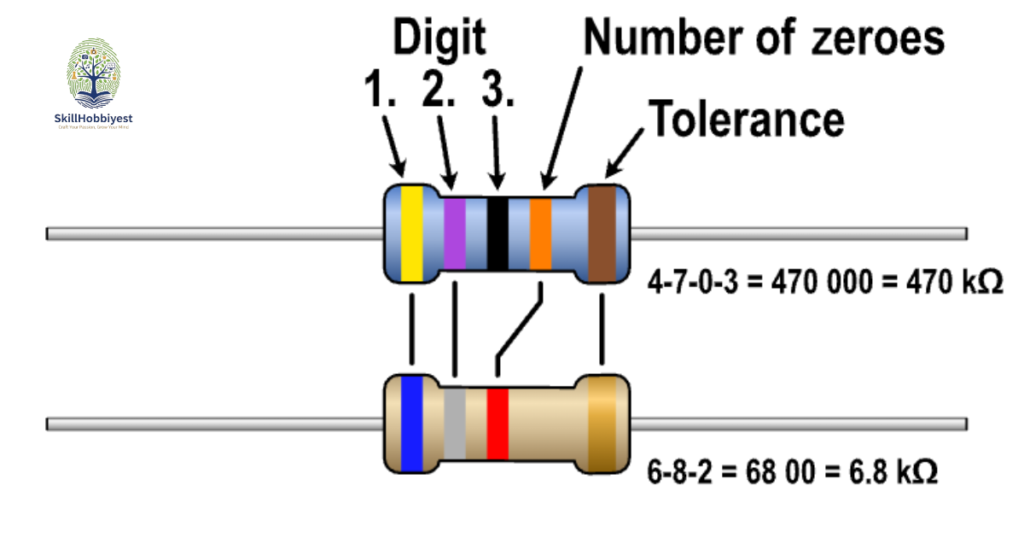
Four band resistors are the most commonly used components. They contain two digit bands, one multiplier, and one tolerance band. Reading starts from the side opposite the tolerance band. The first two colors form the resistance digits. The third color multiplies the digit value accordingly. The fourth band indicates tolerance percentage. This system is simple and beginner friendly. Most learning kits include four band resistors.
Five band resistors provide higher precision and accuracy. They contain three digit bands, one multiplier, and one tolerance band. These resistors are often used in professional electronic circuits. Reading them follows the same logic as four band resistors. The extra digit allows more precise resistance values. Understanding band sequence prevents misreading complex resistors. Precision is essential in sensitive circuits.
Beginners should practice both resistor types regularly. Start with four band resistors for easier understanding. Gradually move to five band resistors for advanced practice. Comparing both types improves recognition skills. Consistency in practice builds long-term confidence. Eventually, reading resistors becomes quick and effortless. Practice strengthens visual memory skills. Experience reduces dependency on external tools.
Tips for Beginners Learning Resistor Color Coding
Start by memorizing common resistor color values gradually. Practice reading resistors daily for better retention. Use charts alongside physical resistors for hands-on learning. Avoid rushing while reading bands during initial practice. Consistency improves speed and accuracy over time. Patience leads to better understanding. Calm observation reduces mistakes significantly.
Beginners should label practice resistors for verification. Cross-check values using multimeters when possible. Learning through mistakes improves understanding significantly. Patience is key while developing this technical skill. Confidence grows with repeated successful readings. Small achievements boost motivation. Learning becomes enjoyable with progress.
Calculating Resistance and Tolerance Accurately
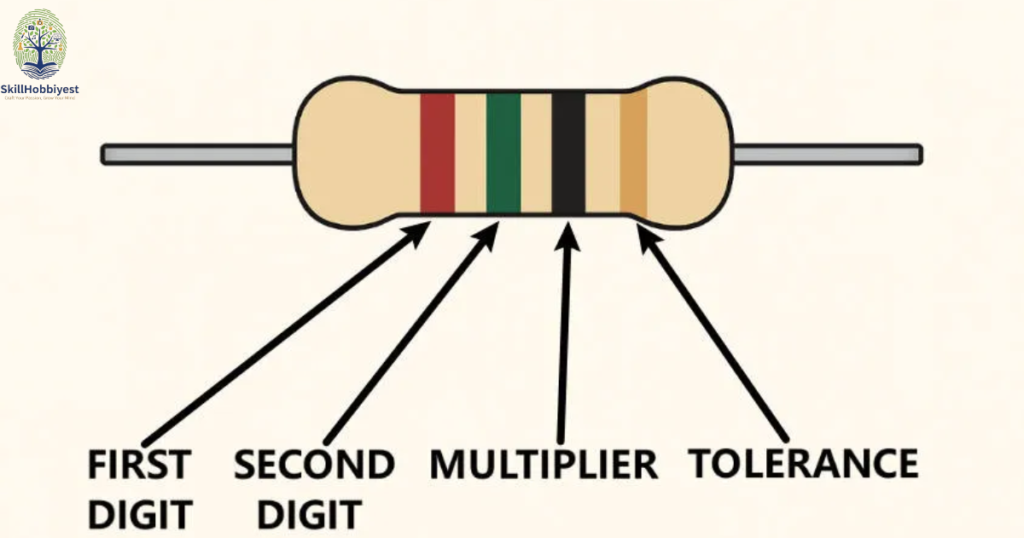
Calculating resistance involves reading digits and applying the multiplier. Each color digit combines to form a base resistance number. The multiplier band increases or decreases the value accordingly. Tolerance indicates acceptable variation from the stated resistance. Gold tolerance allows five percent variation from the value. Silver tolerance allows ten percent variation from the value. Accurate calculation ensures circuit safety.
Understanding tolerance is important for sensitive circuits. Low tolerance resistors are used in precision electronics. High tolerance resistors work well in simple circuits. Always check tolerance before using resistors in projects. Incorrect tolerance selection can cause inaccurate circuit behavior. Tolerance charts help verify acceptable resistance ranges. Charts improve confidence during selection. Proper tolerance ensures design reliability.
Many learners use resistor color code calculators initially. Calculators help confirm manually calculated resistance values. They are useful for beginners during early learning stages. However, manual reading improves understanding and confidence. Using both methods together ensures accuracy. Practice strengthens memory and reduces reliance on tools. Balanced learning improves long-term skills. Manual reading becomes faster with experience.
Importance of Practice and Visual Learning
Practice helps convert theoretical knowledge into practical skill. Visual recognition of colors improves with repeated exposure. Handling real resistors builds confidence and familiarity. Charts and diagrams support visual memory development. Consistent practice reduces dependence on calculators. Physical handling improves understanding.
Hands-on learning is essential for electronics mastery. Reading resistors becomes intuitive with time and experience. Visual learning enhances long-term retention significantly. Practical exercises strengthen problem-solving abilities. Practice transforms confusion into clarity. Regular effort builds expertise gradually. Learning becomes automatic with repetition.
- Resistor color coding use colors to represent resistance values accurately.
- Always identify the tolerance band before reading other color bands.
- Four band and five band resistors follow similar reading principles.
- Multiplier bands determine how resistance values are scaled.
- Regular practice improves speed, accuracy, and confidence significantly.
Faq’s
What is the easiest way to read resistor color coding?
The easiest method is identifying tolerance first, then reading bands sequentially. Practice improves accuracy and speed.
Why do resistors use color coding instead of numbers?
Color codes save space and remain readable on very small components. They also increase durability.
How do I know which side to start reading resistor bands?
Start reading from the side opposite the tolerance band. This prevents incorrect value interpretation.
Are five band resistors more accurate than four band resistors?
Yes, five band resistors provide higher precision and accuracy. They are used in advanced circuits.
Can I use a calculator to read resistor color codes?
Yes, calculators help beginners but manual reading builds stronger understanding. Both methods are useful.
Conclusion
Learning resistor color codes is an essential electronics foundation skill. It helps identify correct components for building reliable circuits. Understanding color sequences reduces dependency on external tools. Practice makes reading resistors faster and more accurate. Mistakes decrease as experience and confidence grow. This skill benefits students, hobbyists, and professionals alike. Strong basics support advanced learning.
Consistent practice improves visual recognition of resistor colors. Using charts and hands-on exercises strengthens understanding. Learning four band resistors first simplifies the process. Gradually progressing to five band resistors improves accuracy. Patience and repetition are key to mastery. Confidence develops naturally through continued practice. Learning becomes easier over time. Skills improve with daily exposure.
Mastering resistor color coding saves time during projects. It prevents incorrect resistor usage and circuit failures. This knowledge supports deeper electronics learning. With practice, resistor reading becomes second nature. Every beginner can master this skill successfully. Dedication turns complexity into clarity over time. Strong skills improve design efficiency. Accurate readings lead to reliable electronics.
Read more latest Articles on Skillhobbiyest.com