Clay soil is common in many home gardens and landscapes worldwide. Many gardeners struggle with drainage, compaction, and poor root growth. Learning how to improve clay soil for gardening makes planting much easier. Dense soil holds nutrients but restricts airflow and water movement. Understanding basic clay soil improvement methods helps avoid common mistakes. With patience and consistency, clay soil becomes productive and manageable.
Gardeners often feel frustrated when working with heavy, sticky soil. Improving heavy clay soil requires time, organic matter, and correct techniques. Dense soil becomes hard when dry and slippery when wet. These conditions stress plant roots and reduce healthy growth. Using proven solutions improves soil quality without expensive tools. Healthy soil supports better yields and long-term garden success. Persistence helps gardeners see gradual improvements.
Good soil structure is essential for strong plant development. Dense soil benefits greatly from added organic materials. Gardening in clay soil becomes easier when drainage improves naturally. Balanced soil allows roots to grow deeper and absorb nutrients efficiently. Every garden can improve clay soil with the right approach. Small steps create lasting improvements over multiple growing seasons. Soil health improves steadily with consistent practices.
Table of Contents
Understanding Clay Soil Problems
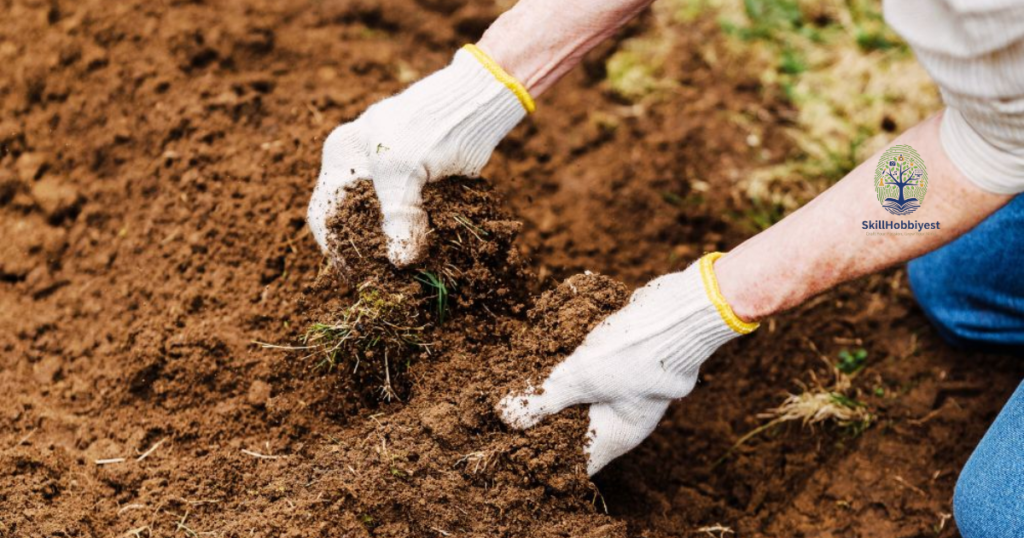
Clay soil particles are very small and tightly packed together. This structure limits airflow and slows water movement significantly. Poor drainage often leads to waterlogged roots and plant stress. Clay soil drainage solutions focus on improving air and water flow. Without change, roots struggle to grow and spread properly. Understanding the problem helps guide effective soil improvement strategies. Awareness prevents repeating common gardening mistakes.
Compaction is another major issue affecting clay-based gardens. Foot traffic and rain cause soil particles to press together. Breaking up compacted soil allows roots to expand freely again. Compacted soil reduces beneficial organisms and microbial activity. Plants growing in compacted clay show slow and weak growth. Reducing compaction improves soil health and plant performance. Healthier soil encourages stronger root systems.
Many gardeners wonder what improves dense soil structure effectively. Organic materials are the most reliable solution available. These materials create spaces between dense clay particles. Improved structure enhances drainage and root development naturally. Soil organisms thrive when structure improves gradually. Healthy soil supports stronger plants and better harvests. Organic methods protect soil balance naturally.
Why Dense Soil Needs Improvement
Dense soil naturally holds nutrients better than sandy soil. However, poor structure limits nutrient availability to plants. Roots struggle to access oxygen in dense clay soil. Soil structure improvement solves many of these common problems. Improved structure supports healthier root systems long term. Healthy roots lead to stronger plant growth.
Another challenge is seasonal soil hardening and cracking. Dry clay becomes difficult to dig and manage. Wet clay sticks to tools and compresses easily. Dense soil aeration techniques reduce these seasonal extremes. Balanced soil remains workable throughout the growing season. Better soil timing reduces gardener frustration.
Adding Organic Matter to Dense Soil
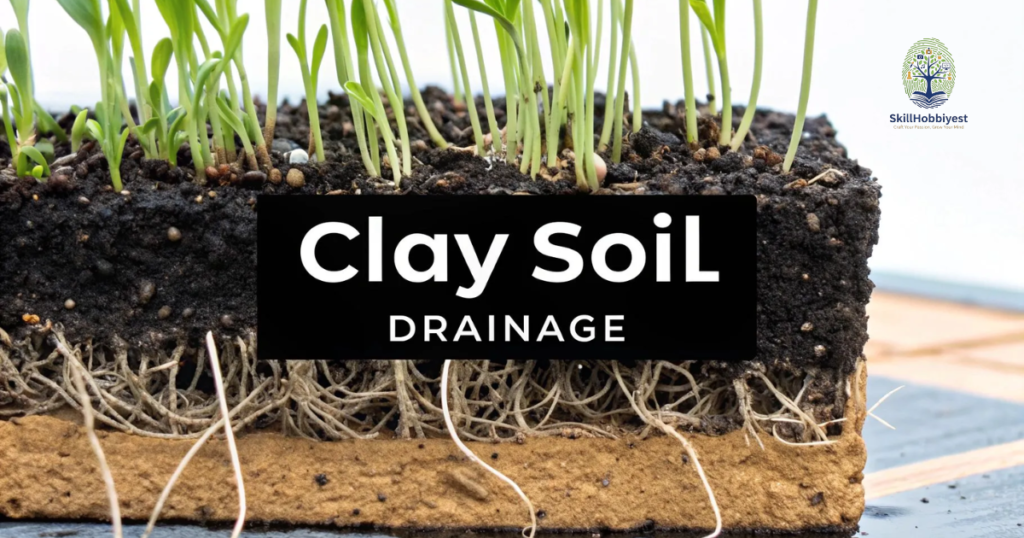
Organic material is essential for improving clay soil naturally. Organic matter for dense soil loosens dense particles effectively. Compost, leaf mold, and aged manure work very well. These materials improve airflow and water movement gradually. Soil life becomes more active with organic additions. Healthy microbes accelerate soil improvement over time. Microbial activity supports nutrient cycling naturally. Living soil improves plant resilience and strength.
Many gardeners ask can compost improve dense soil effectively. Yes, compost is one of the best soil amendments. Compost for clay soil gardens improves texture and fertility together. It feeds plants while supporting beneficial soil organisms. Regular compost application creates lasting soil improvement. Compost works best when applied consistently each year. Annual composting builds soil resilience. Repeated use improves structure over time.
If you prefer natural solutions, focus on amending dense soil naturally. Avoid chemical soil conditioners promising quick results. Natural methods improve soil without harming beneficial organisms. Organic amendments support long-term soil health and balance. This approach leads to sustainable gardening success. Natural soil improvement produces better results over time. Soil ecosystems remain protected and active. Sustainable methods benefit future growing seasons.
Best Organic Amendments for Dense Soil
Gardeners often search for the best soil amendments for dense soil. Compost remains the most effective and accessible option. Leaf compost improves moisture retention and soil softness. Aged manure adds nutrients and improves microbial activity. These amendments support long-term soil improvement naturally. Each amendment contributes unique soil benefits.
Cover crops also help improve clay soil structure. Their roots break up dense soil layers naturally. When decomposed, they add valuable organic matter. This process improves drainage and soil texture. Cover crops support soil health between growing seasons. They protect soil from erosion damage. Seasonal planting improves soil sustainability.
Improving Drainage and Texture
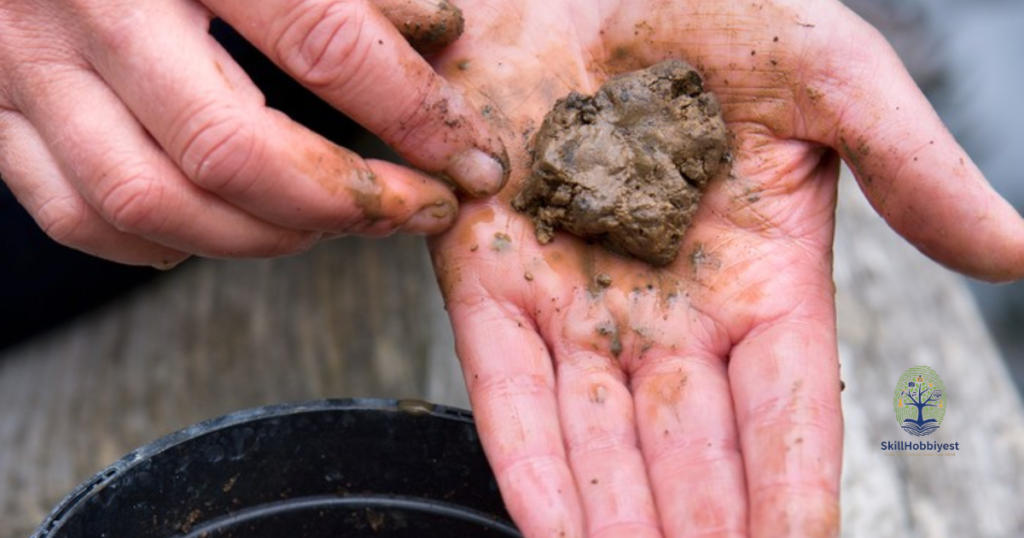
Drainage is one of the biggest challenges with clay soil. Learning how to improve dense soil drainage prevents root rot. Raised beds help lift roots above waterlogged ground. Organic matter creates channels for water movement. These changes reduce standing water after heavy rain. Better drainage leads to healthier plants and soil life. Proper drainage reduces disease risks. Plants grow stronger in balanced moisture conditions.
Improving texture helps roots grow and spread easily. Soil texture improvement makes soil softer and crumbly. Loose soil allows water to drain evenly. Roots absorb nutrients more efficiently in improved soil. Texture changes happen gradually with organic amendments. Consistent effort produces long-lasting improvements. Patience ensures stable soil transformation. Gradual improvement prevents soil stress.
Many gardeners wonder how to loosen clay soil naturally. Mulching regularly helps soften the soil surface. Earthworms also play a major role in loosening soil. Avoid working dense soil when it is wet. Proper timing prevents further compaction and damage. Natural loosening methods protect soil structure effectively. Gentle handling preserves soil integrity. Healthy soil remains easier to manage.
Timing and Maintenance
Many gardeners ask when to amend clay soil for gardening. Early spring and fall are the best times. Soil moisture levels are ideal during these seasons. Microbial activity increases soil improvement efficiency. Proper timing prevents unnecessary soil damage. Seasonal care improves amendment effectiveness. Timing supports better organic breakdown.
Another common question is how often should dense soil be amended. Once or twice yearly works well for most gardens. Small, regular additions outperform large one-time applications. Soil gradually becomes easier to work each season. Consistency leads to stable, healthy garden soil. Long-term schedules ensure lasting results.
- Dense soil improvement methods rely heavily on organic matter and patience.
- Improving heavy clay soil increases drainage, airflow, and root development.
- Compost for dense soil gardens improves fertility and structure simultaneously.
- Dense soil aeration techniques reduce compaction and improve oxygen flow.
- Gardening in clay soil becomes easier with consistent soil amendments.
Faq’s
Is dense soil good for vegetable gardens long term?
Yes, is dense soil good for vegetable gardens after proper improvement methods. Improved densesoil holds nutrients and supports strong vegetable growth. Vegetables benefit from moisture retention. Proper care ensures healthy harvests.
How long does it take to improve clay soil completely?
How long does it take to improve clay soil varies by effort. Most gardens show improvement within one to three growing seasons. Results depend on amendment consistency. Long-term care speeds improvement.
Can clay soil be turned into loam eventually?
Can clay soil be turned into loam functionally with organic matter. Soil behaves like loam but remains clay-based technically. Organic matter changes soil behavior. Texture improves significantly over time.
What improves v soil structure the fastest naturally?
What improves dense soil structure best is consistent organic matter. Compost and mulch provide the fastest long-term improvements. Natural inputs support soil biology. Biology drives structural change.
How to fix dense soil in garden beds effectively?
How to fix dense soil in garden beds involves compost and mulch. Raised beds and reduced compaction improve results significantly. Bed preparation matters greatly. Smart design enhances success.
Conclusion
Improving clay soil requires patience and consistent care. Organic matter remains the most effective solution available. Learning how to improve clay soil for gardening reduces frustration. Healthy soil supports stronger roots and better plant growth. Small changes create long-term improvements in soil quality. Dense soil can become one of your garden’s strengths. Commitment leads to visible progress. Long-term effort always pays off.
With proper care, clay soil performs extremely well. Nutrients remain available longer than in sandy soils. Improved drainage prevents common plant health problems. Best plants for dense soil thrive once structure improves. Vegetable gardens benefit greatly from amended clay soil. Balanced soil leads to higher yields and healthier plants. Strong soil supports consistent harvests. Improved structure boosts plant resilience.
Consistent soil care builds lasting garden success. Organic methods protect soil life and structure. Avoid shortcuts that damage soil health long term. Focus on compost, timing, and gentle handling. Healthy dense soil supports sustainable gardening practices. With effort, dense soil becomes productive and reliable. Soil improvement benefits future seasons. Healthy soil ensures gardening confidence.
Read more latest Articles on Skillhobbiyest.com