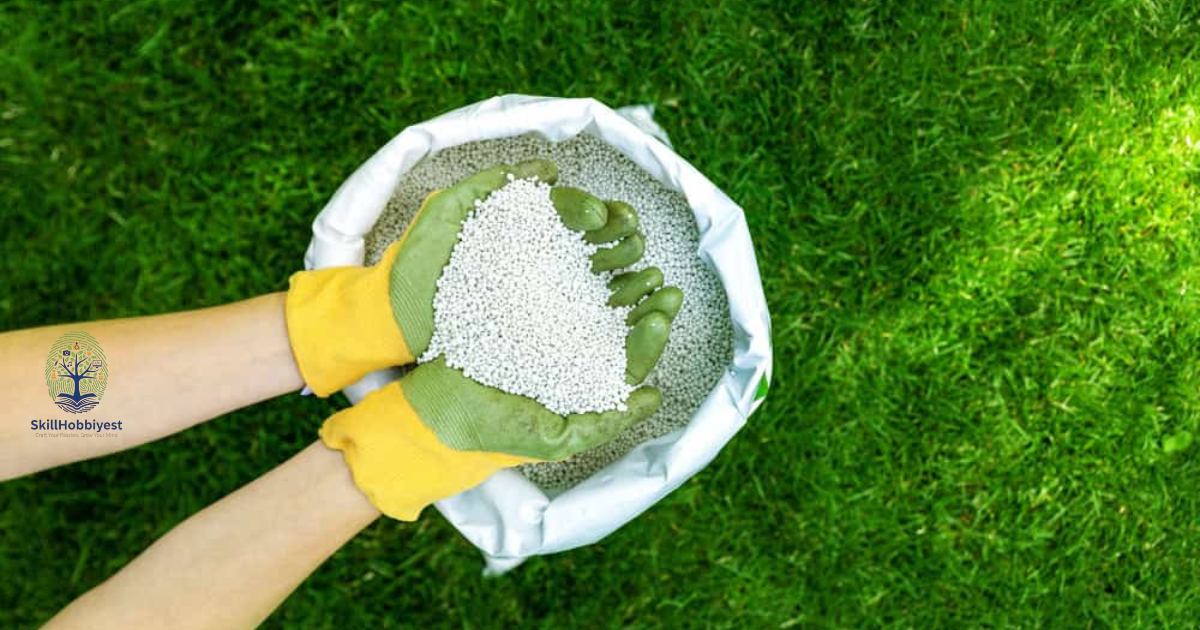
Gardeners often ask whether lime truly improves garden soil health. Soil quality determines how well plants grow and absorb nutrients. Lime is commonly suggested for correcting acidic garden soil conditions. However, using lime incorrectly may cause unwanted soil problems. Understanding lime benefits helps gardeners make smarter soil decisions. This guide explains lime use in simple, practical language. Many beginners rely on soil conditioner without fully understanding soil needs.
Soil acidity affects nutrient availability and overall plant performance. Rainfall and fertilizers often increase acidity in garden soil. Lime works gradually to rebalance soil pH levels. Gardeners should learn correct timing and application methods. Knowledge prevents overuse and protects sensitive garden plants. Healthy soil leads to stronger roots and higher yields. Poor pH balance can reduce plant growth significantly. Lime helps restore natural soil balance slowly.
Lime does not act like fertilizer for direct plant feeding. Instead, it improves soil conditions for better nutrient absorption. Different plants respond differently to soil pH changes. Testing soil before applying soil conditioner is strongly recommended. Careful use ensures long term gardening success. Balanced soil creates a healthier growing environment. Healthy soil supports beneficial organisms naturally. These organisms improve overall garden productivity.
Table of Contents
How Lime Affects Garden Soil
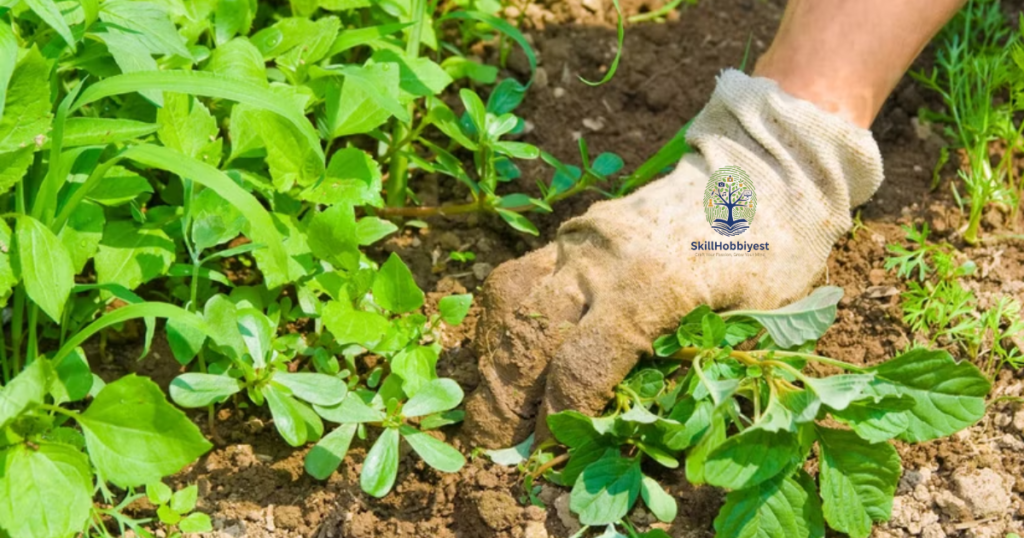
Lime raises soil pH by neutralizing excess acidity gradually. Balanced pH improves nutrient availability for plant roots. Soil microbes thrive better in properly balanced soil. Active microbes break organic matter into useful nutrients. Improved structure allows better water retention and drainage. Overall soil quality improves steadily with correct soil conditioner usage. This process takes time and patience. Long term benefits outweigh short term expectations.
Calcium found in soil conditioner strengthens plant cell walls. Strong cell walls improve plant resistance to stress. Roots grow deeper when soil conditions remain stable. Lime also reduces harmful aluminum levels in acidic soil. Lower toxicity supports healthier root system development. These benefits appear slowly but last multiple seasons. Plants become more resilient over time. Healthy roots improve water uptake efficiency. Strong roots anchor plants securely.
Gardeners often notice better plant growth after pH correction. Vegetables respond especially well to improved soil balance. Nutrients become easier to absorb through plant roots. Soil amendments work best alongside organic compost additions. Balanced soil reduces dependency on chemical fertilizers. This approach supports sustainable gardening practices. Fewer chemicals benefit soil life. Gardens become more environmentally friendly.
Can Soil Conditioner Be Harmful to Gardens
Excess soil conditioner can raise soil pH too high. Highly alkaline soil limits nutrient availability for plants. Iron deficiencies may cause leaf yellowing symptoms. Plants may struggle despite proper fertilization. Correcting overlimed soil takes time. Recovery may require additional amendments. Prevention is easier than correction.
Lime can damage acid loving plants nearby. Blueberries and potatoes prefer acidic soil conditions. Applying soil conditioner near them reduces growth. Group plants with similar soil needs. Apply soil conditioner only where required. Targeted application improves safety. Understanding plant preferences is essential. This knowledge prevents accidental damage.
Types of Soil Conditioner Used in Gardens
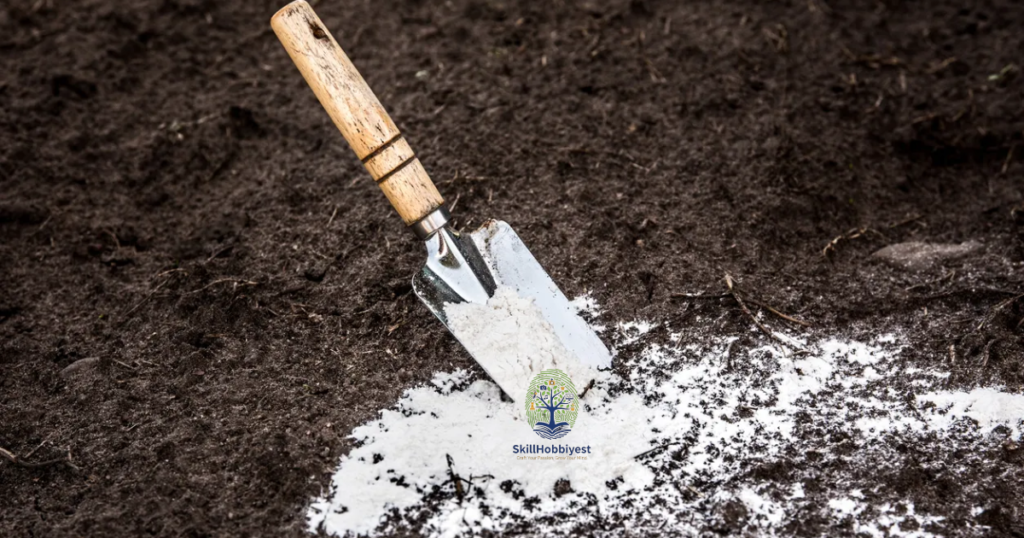
Agricultural lime is the most commonly used garden soil conditioner option. It contains finely ground limestone for gradual soil improvement. This lime type is safe for long term soil adjustment. Agricultural soil conditioner works best when mixed into topsoil layers. Results appear over time rather than instantly. Patience is essential when using this soil amendment. Consistent results require proper timing. This lime suits most home gardens. It is widely available and affordable.
Dolomitic lime contains both calcium and magnesium nutrients. Magnesium supports chlorophyll production and leaf color. This soil conditioner suits soils low in magnesium content. Vegetable gardens often benefit from dolomitic lime applications. Soil testing confirms whether magnesium is needed. Correct selection prevents nutrient imbalance problems. Excess magnesium can cause issues. Testing ensures balanced nutrient levels. Proper balance improves plant performance.
Hydrated soil conditioner reacts quickly and is very strong. It is not recommended for home garden use. This soil conditioner type may burn plants if misused. Gardeners should avoid non garden labeled lime products. Reading labels carefully prevents costly mistakes. Safer garden soil conditioner options are widely available. Strong soil conditioner requires professional handling. Home gardeners should choose safer alternatives. Safety should always be a priority. Correct products reduce gardening risks.
Benefits of Using Soil Conditioner Responsibly
Responsible soil conditioner use improves soil structure over time. Balanced soil supports beneficial microbial activity. Plants grow stronger with improved nutrient absorption. Proper application reduces fertilizer dependency. Gardens become more productive and sustainable. Soil health improves year after year. Long term planning brings better harvests.
Careful use prevents unnecessary soil damage. Testing ensures lime addresses real soil problems. Correct dosage protects sensitive plant varieties. Timing improves effectiveness and safety. Knowledge makes soil conditioner a helpful tool. Education reduces gardening mistakes. Informed gardeners achieve better results. Awareness improves confidence in soil management.
When and How to Apply Soil Conditioner
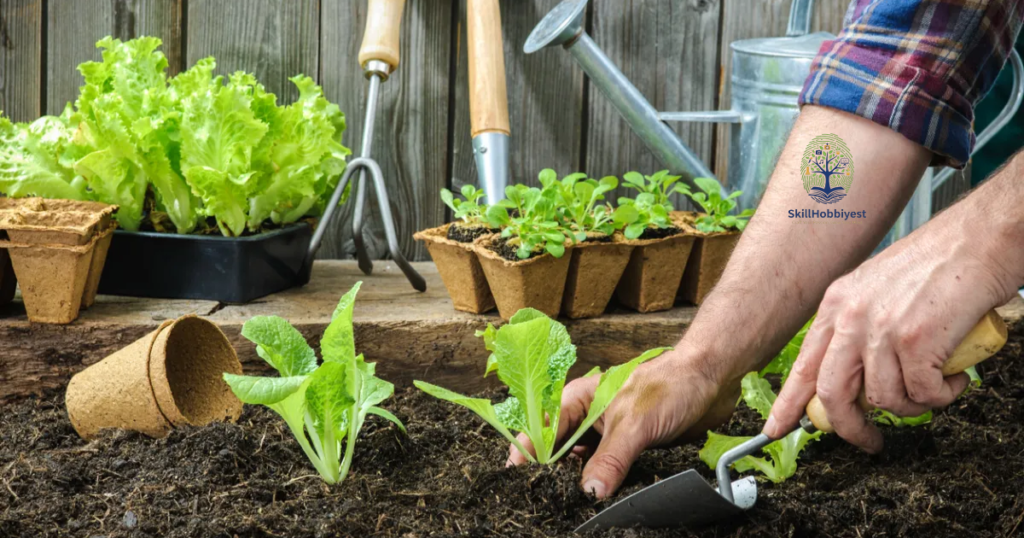
Fall is considered the best time for applying garden lime. Rain helps lime break down and penetrate soil naturally. Spring application is also possible before planting season. Lime should be applied weeks before planting crops. Early application stabilizes soil chemistry effectively. Proper timing improves overall results. Seasonal planning enhances soil readiness. Weather conditions influence soil conditioner effectiveness. Planning reduces application errors.
Even spreading ensures consistent soil pH adjustment. Lime should be incorporated into the topsoil layer. Surface application works slower but still helps soil. Watering helps soil conditioner settle into soil particles. Avoid applying lime on windy days. Wear gloves for safe handling. Protective measures improve safety. Clean tools prevent contamination. Safety habits protect gardeners. Clean work improves results.
Application rates depend on soil type and pH. Clay soils require more soil conditioner than sandy soils. Overapplication can lead to nutrient lockout issues. Moderation ensures safe soil improvement. Retesting soil every few years is important. Accurate testing prevents long term damage. Consistent monitoring supports soil health. Adjustments should be gradual and careful. Gradual changes protect soil balance. Careful steps ensure lasting improvement.
Common Mistakes Gardeners Make With Soil Conditioner
Skipping soil tests leads to incorrect soil conditioner application. Guessing soil needs often causes imbalance problems. Applying lime annually without testing is unnecessary. Using strong soil conditioner products damages soil health. Lack of knowledge creates avoidable issues. These mistakes reduce plant performance. Learning basics prevents future problems.
Gardeners sometimes apply soil conditioner too close to plants. Improper placement increases risk of root stress. Uneven spreading causes inconsistent pH levels. Overconfidence leads to excessive application. Education prevents these common mistakes. Precision improves gardening results. Slow application ensures even coverage. Careful planning reduces risks.
- Soil Conditioner improves soil pH and nutrient availability for plants.
- Soil testing prevents excessive soil conditioner application mistakes.
- Agricultural soil conditioner is safest for home gardens.
- Dolomitic lime benefits magnesium deficient soils.
- Proper timing increases soil conditioner effectiveness.
Faq’s
Is lime good for garden soil long term?
Yes, lime improves soil balance when applied responsibly. Long term use supports healthier soil structure. Careful application maintains stability.
When should you add soil conditioner to a garden?
Fall or early spring allows gradual soil adjustment. Timing helps soil conditioner react effectively. Early planning improves results.
How much soil conditioner should be applied to gardens?
Application depends on soil test results and soil texture. Always follow test recommendations. Avoid guessing application rates.
Can soil conditioner harm plants if misused?
Yes, excessive soil conditioner causes nutrient deficiencies and stress. Overuse disrupts soil balance. Damage may take time to fix.
How often should garden soil be limed?
Usually every two to three years after testing. Frequency depends on soil condition. Monitoring prevents unnecessary application.
Conclusion
Soil Conditioner is a useful soil amendment when used correctly. It helps balance soil acidity and improve nutrient access. Healthy soil supports stronger plants and better yields. Testing ensures soil conditioner solves real soil problems. Correct timing and dosage prevent damage. Knowledge ensures safe gardening practices. Responsible use builds long term soil health. Awareness improves gardening confidence. Confident gardeners achieve better results. Smart practices protect soil quality.
Gardeners should treat soil conditioner as a long term solution. It does not replace fertilizer but improves soil conditions. Balanced soil chemistry strengthens plant resilience. Responsible use reduces chemical dependency. Patience is essential for visible results. Benefits increase over time. Sustainable practices support future harvests. Healthy soil rewards careful gardeners. Long term care ensures success. Consistency creates reliable outcomes.
Understanding soil needs leads to smarter decisions. Lime benefits gardens only when soil requires adjustment. Avoid unnecessary applications to protect soil health. Combine soil conditioner with organic matter for best results. Healthy soil supports sustainable gardening success. Informed gardeners achieve consistent harvests. Knowledge turns effort into success. Smart choices lead to thriving gardens. Experience refines gardening skills. Healthy gardens reflect informed care.
Read more latest Articles on Skillhobbiyest.com