Culinary lavender refers to edible lavender varieties safe for human consumption. The Culinary lavender definition focuses on flavor, safety, and culinary suitability. These plants produce mild aromas unlike ornamental or decorative lavender types. Professional chefs value lavender for refined taste and aromatic balance. Home cooks also enjoy experimenting with lavender in everyday cooking. Culinary lavender supports creative expression in modern kitchens.
Edible lavender flowers come from specific species grown for food purposes. They are carefully harvested and processed without harmful chemical exposure. Understanding lavender types helps prevent unpleasant or unsafe cooking results. Many beginners confuse culinary lavender with garden lavender plants. Correct identification ensures better taste and safer food preparation. Knowledge reduces mistakes that affect flavor and safety.
Using Lavender for cooking requires knowledge, balance, and proper preparation techniques. This herb enhances both sweet and savory recipes beautifully. Small amounts provide floral notes without overpowering other flavors. Culinary lavender has gained popularity in modern global cuisine. Its versatility makes it appealing to chefs and home cooks. Controlled use delivers consistent culinary results.
Table of Contents
Understanding Food-Grade Lavender
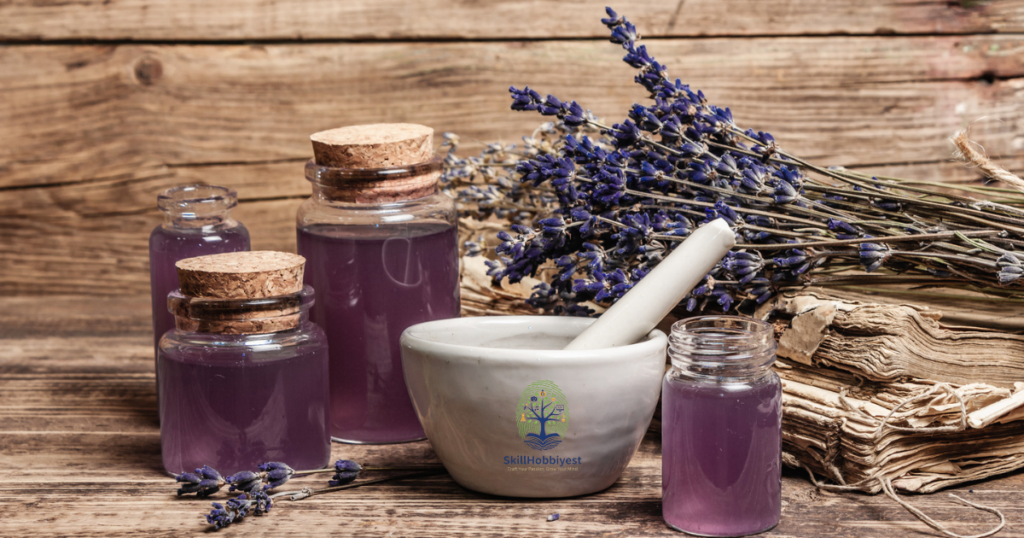
Food-grade lavender is cultivated specifically for safe culinary applications. It meets standards required for human consumption and flavor consistency. This lavender avoids chemical treatments common in ornamental varieties. Always check packaging labels before using lavender in recipes. Choosing food-grade products protects health and recipe quality. Reliable sourcing supports better cooking outcomes.
The Lavender flavor profile is floral, slightly sweet, and mildly herbaceous. Some people notice citrus or mint undertones when tasting lavender. Flavor intensity depends on quantity and preparation method. Too much lavender can create bitter or soapy flavors. Proper measurement ensures enjoyable culinary results. Balanced flavor improves overall dining experiences. Moderation keeps dishes appealing.
Cooking with lavender buds releases aromatic oils during heating processes. Only buds are used, avoiding woody stems and leaves. Crushing buds gently enhances flavor release. Whole buds work well in infusions and syrups. Ground buds blend smoothly into baked goods. Preparation affects final taste significantly. Gentle handling preserves essential oils. Using buds in teas releases subtle fragrance. Lavender buds can also be infused into oils for cooking.
Culinary Uses and Applications
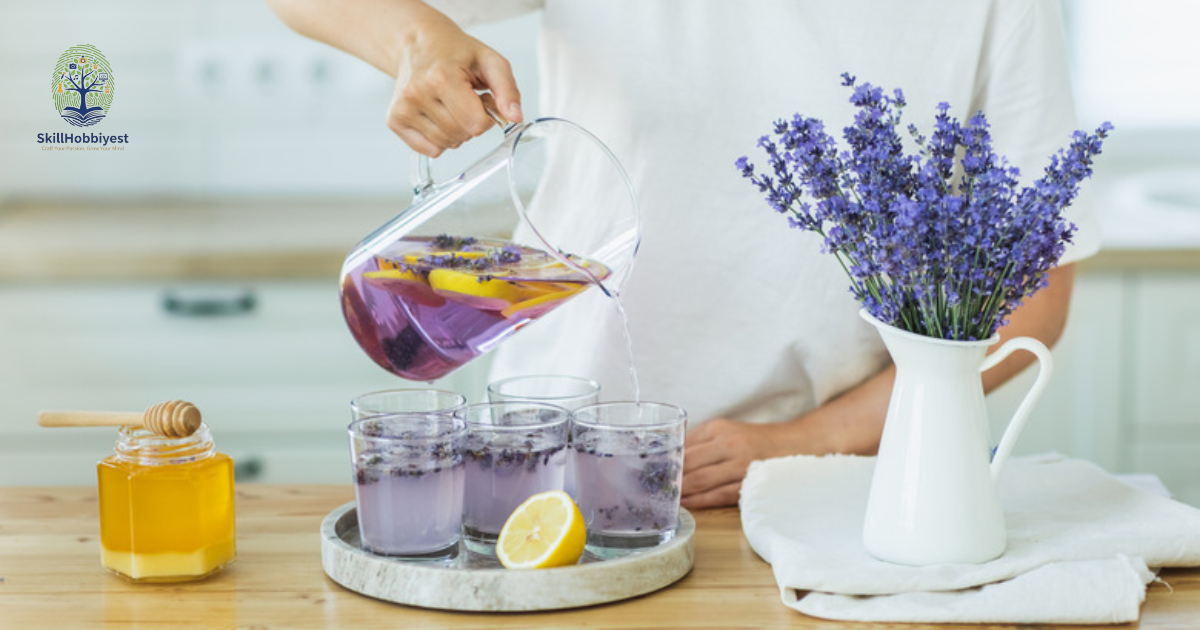
There are many Culinary lavender uses across sweet and savory dishes. Lavender enhances teas, desserts, marinades, and herb blends. It pairs well with honey, lemon, and vanilla flavors. Mediterranean cuisines frequently include lavender-based seasonings. Its versatility supports creative experimentation. Lavender adds elegance to simple meals.
Using Lavender herb for recipes encourages creativity and flavor experimentation. It works well in sauces, syrups, and roasted meat rubs. Lavender adds aroma as well as subtle taste. Chefs appreciate its ability to elevate simple dishes. Home cooks benefit from its versatility. Thoughtful use improves presentation and flavor. Lavender is also useful in flavored drinks.
Baking and Dessert Applications
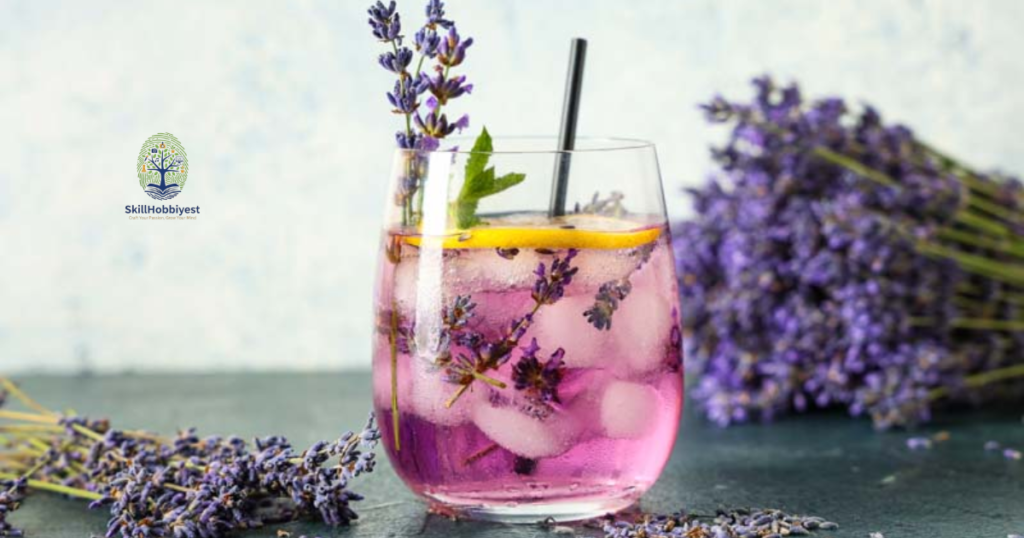
Dried lavender for food is commonly used due to long shelf life. Drying concentrates flavor while preserving aromatic compounds. Store dried lavender in airtight containers away from heat. Proper storage maintains freshness and taste longer. Quality drying improves culinary performance significantly. Storage practices affect flavor longevity. Proper care prevents aroma loss. Dried lavender retains potency when stored carefully. U
Lavender in baking adds sophistication to cookies, cakes, and breads. Shortbread and scones benefit from lavender’s floral notes. Lavender complements butter, sugar, and vanilla ingredients. Bakers use small amounts for balanced flavor. Precision is critical in baked lavender recipes. Measured use prevents overpowering results. Baking enhances lavender’s aroma. Lavender can also flavor frostings and glazes.
A Lavender spice for desserts creates memorable taste experiences. Lavender sugar and infused cream are common techniques. Desserts gain elegance without excessive sweetness. Lavender works well in ice creams and custards. Controlled use prevents overpowering flavors. Subtle notes improve dessert appeal. Balance defines success. Infusing chocolate or honey with lavender enhances dessert sophistication.
Safety and Flavor Questions
Many ask What is culinary lavender used for in cooking. It gently flavors foods while enhancing aroma. Lavender is used more for balance than dominance. Proper use improves sensory appeal. Light application keeps flavors pleasant. Purposeful use enhances dishes. Lavender also contributes aromatic depth to beverages.
People often wonder Is lavender safe to eat in food. Culinary lavender is safe when labeled food-grade. Avoid craft or decorative lavender varieties. Verification ensures safe consumption. Safety depends on correct sourcing. Labels guide responsible use. Using the wrong type can cause bitterness. Edible lavender should always be purchased from trusted suppliers.
Preparation, Measurement, and Buying Tips
Understanding How culinary lavender is different from regular lavender is essential. Regular lavender is grown for fragrance, not flavor. Culinary varieties have lower oil intensity. This difference affects taste significantly. Correct selection improves recipe success. Awareness prevents cooking errors. Knowledge improves confidence. Choosing the wrong type can ruin a recipe. Culinary lavender should be labeled “food-grade” only.
Many ask What does culinary lavender taste like when used correctly. The taste is floral, light, and calming. It should never taste medicinal or bitter. Balanced use creates pleasant flavor experiences. Subtlety defines good lavender cooking. Gentle flavors enhance meals. Overuse reduces appeal. The flavor pairs well with citrus, vanilla, or honey. Knowing flavor combinations prevents overpowering dishes.
Learning How to use culinary lavender in cooking prevents common mistakes. Start with small quantities and adjust gradually. Taste throughout the cooking process. Lavender intensifies as it cooks. Patience ensures balanced results. Experience builds proper judgment. Practice improves accuracy. Understanding recipes helps blend lavender successfully. Proper technique ensures delicate and refined flavors.
Preparation and Purchasing Guidance
Knowing Can you bake with culinary lavender helps beginners experiment confidently. Lavender holds flavor well during baking processes. It works beautifully in pastries and cookies. Proper dosage remains essential. Baking highlights floral notes. Careful use avoids bitterness. Lavender can also be used in savory breads.
Learning How to prepare lavender for food use improves consistency. Clean and dry buds thoroughly before use. Light crushing releases essential oils. Avoid excessive grinding. Preparation affects final flavor. Proper handling preserves aroma. Lavender can be infused in sugar or butter. Using consistent preparation methods ensures predictable flavor in recipes.
- Best recipes using culinary lavender include teas, cookies, syrups, and marinades for variety and creativity.
- How much culinary lavender should you use depends on recipe size and intensity level for balanced results.
- Where to buy food-grade lavender includes specialty stores and trusted online retailers for safe consumption.
- Is culinary lavender good for desserts due to floral sweetness and pleasant aroma that enhances flavor.
- How chefs use culinary lavender in recipes focuses on infusion and subtle seasoning to elevate dishes.
Faq’s
What is culinary lavender and why is it used in cooking?
Culinary lavender adds aroma, flavor balance, and elegance to dishes. It enhances presentation and taste. It also provides a sophisticated flavor that appeals to guests.
Is culinary lavender safe for everyday food preparation?
Yes, when labeled food-grade and used in proper quantities. Correct sourcing ensures safety. Always follow recipe guidelines for best results.
How much lavender should beginners use in recipes?
Start with less than one teaspoon to avoid overpowering flavors. Small amounts work best. Adjust gradually based on taste preferences.
Can culinary lavender be used in savory dishes?
Yes, it complements meats, sauces, and herb blends. Balanced use improves depth. It enhances subtle flavor in roasting and marinades.
Does lavender change flavor when cooked or baked?
Yes, heat intensifies aroma, requiring careful measurement. Controlled use prevents bitterness. Lavender flavor evolves over cooking time.
Conclusion
Culinary lavender offers unique flavor and aromatic benefits for cooking. Understanding proper sourcing ensures safety and quality. Correct preparation improves taste and consistency. Small amounts create elegant results. Lavender rewards careful and thoughtful use. Practice refines technique. Knowledge enhances enjoyment. Over time, dishes can achieve professional-quality flavor. Using lavender inspires creativity in the kitchen.
Learning differences between lavender types prevents cooking mistakes. Food-grade lavender guarantees enjoyable flavor experiences. Proper storage preserves aroma and freshness. Balanced use avoids bitterness. Knowledge improves culinary confidence. Awareness supports better outcomes. Skill develops with experience. Proper handling ensures delicate and consistent flavors. Culinary lavender should be used thoughtfully for best results.
With practice, culinary lavender becomes a versatile kitchen ingredient. It enhances desserts, beverages, and savory dishes. Chefs and home cooks appreciate its elegance. Lavender encourages creativity and refinement. Used wisely, it transforms ordinary recipes beautifully. Consistency builds mastery. Culinary success follows balance. It also adds aromatic charm to beverages and baked goods. Using lavender elevates simple dishes into gourmet creations.
Read more latest Articles on Skillhobbiyest.com