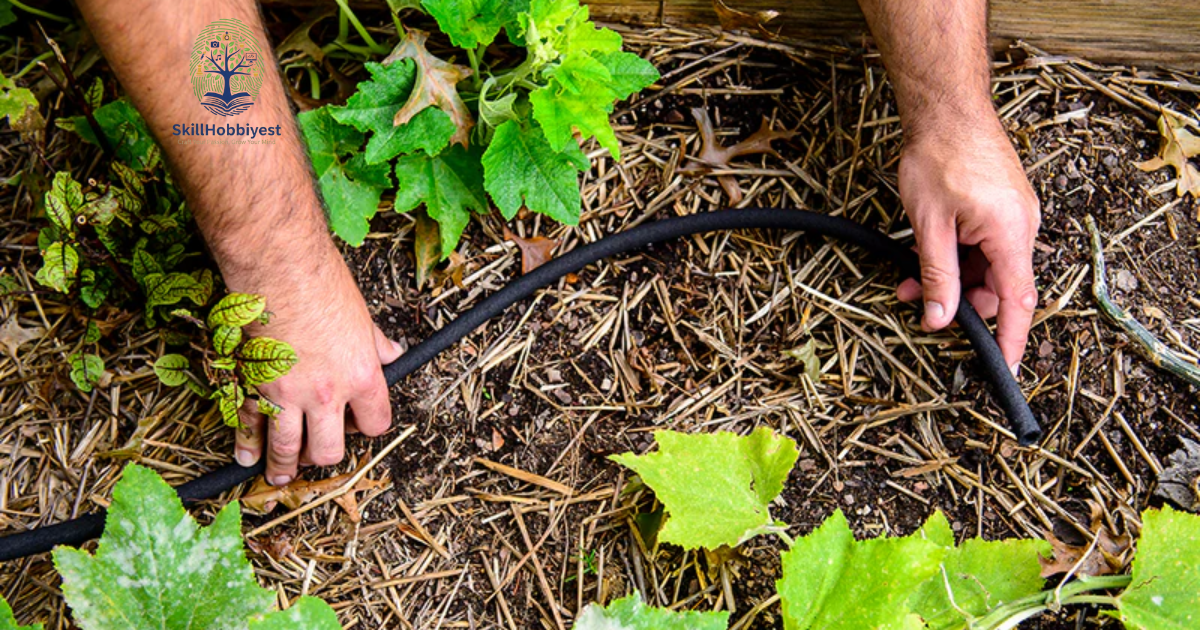
Soaker hoses are becoming popular among home gardeners seeking efficient watering solutions. Many gardeners struggle with uneven watering and unnecessary water loss daily. A soaker hose offers slow moisture delivery directly to plant roots. This method supports healthier soil and reduces surface evaporation significantly. Understanding seep hoses helps gardeners make better irrigation decisions confidently.
Watering methods greatly affect plant growth and long-term garden health. Traditional sprinklers often waste water through wind and evaporation issues. Seep hoses release water gently along the soil surface. This makes them ideal for consistent and controlled garden hydration. Gardeners increasingly ask if soaker hoses truly improve watering efficiency.
Choosing the right watering tool depends on garden size and plant needs. Some gardeners prefer low-maintenance irrigation systems for busy schedules. Seep hoses promise simplicity and effective moisture control for plants. They work well in vegetable beds, borders, and raised gardens. This article explores whether soaker hoses are truly good for gardens.
Table of Contents
How Soaker Hoses Work in Garden Irrigation
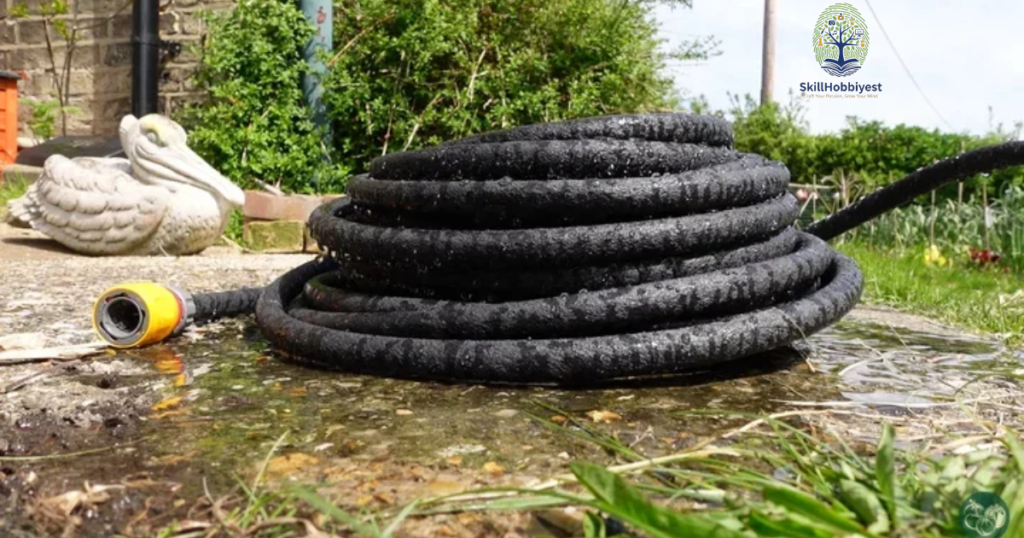
Soaker hoses are designed with porous materials that slowly release water. Water seeps evenly along the hose length under low pressure. This allows soil to absorb moisture without runoff or puddling. Plants receive steady hydration directly at the root zone. This system supports deeper root development and healthier growth overall.
Low-pressure water flow prevents soil erosion and surface compaction issues. Moisture penetrates deeply, encouraging roots to grow downward naturally. Leaves remain dry, reducing risks of fungal plant diseases. Garden beds stay evenly moist for longer periods after watering. This makes seep hoses reliable for consistent garden irrigation routines.
Gardeners can connect seep hoses to standard outdoor water sources easily. They work well with timers for automated watering schedules. Mulch can be placed over hoses to reduce evaporation further. This setup increases watering efficiency and conserves valuable water resources. Proper installation ensures even water distribution across garden beds.
Using Seep Hoses in Vegetable Gardens
Vegetable gardens benefit greatly from steady and consistent soil moisture. Soaker hoses provide slow watering that vegetables prefer for growth. Tomatoes and peppers respond well to deep root watering methods. Consistent moisture improves fruit quality and reduces cracking issues.
Leafy greens thrive when soil remains evenly moist throughout growth. Seep hoses prevent soil splashing onto edible leaves. This reduces disease risk and keeps produce cleaner. Gardeners enjoy healthier harvests with less watering effort.
Benefits of Using Seep Hoses in Gardens
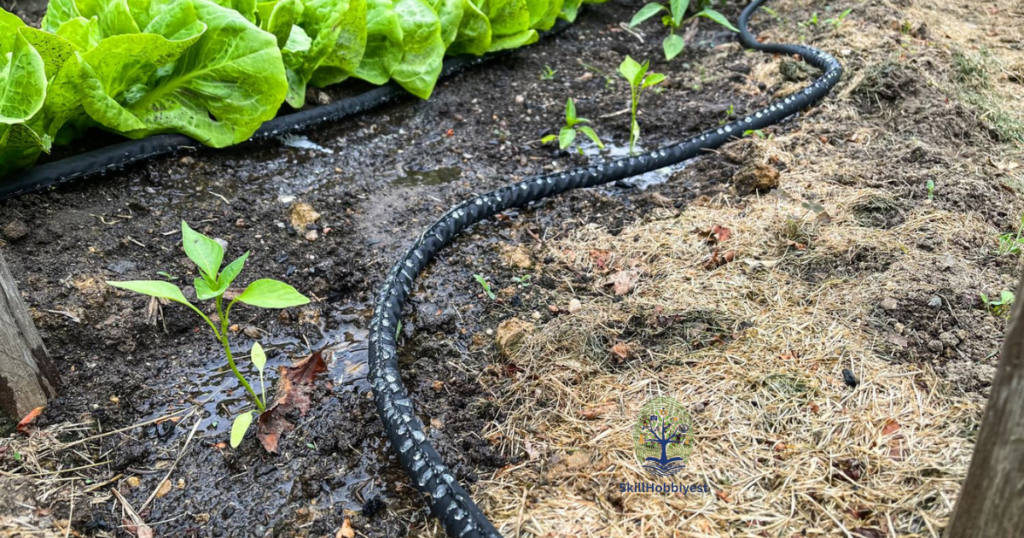
Soaker hoses provide excellent water efficiency compared to traditional sprinklers. They deliver moisture only where plants need it most. This reduces water waste caused by wind and evaporation. Gardeners notice lower water bills after switching irrigation methods. Efficient watering supports sustainable and eco-friendly gardening practices.
Plants benefit from consistent moisture levels throughout the growing season. Sudden drying and overwatering cycles are greatly reduced. Roots grow stronger when water reaches deeper soil layers. Healthy roots improve nutrient uptake and overall plant resilience. This leads to better yields in vegetable and flower gardens.
Soaker hoses are easy to install and simple to maintain. They adapt easily to different garden layouts and shapes. Flexible hoses can curve around plants and garden borders. This versatility makes them suitable for many garden designs. Beginners appreciate their simplicity and reliable performance.
Seep Hoses for Raised Garden Beds
Raised beds drain faster than traditional in-ground garden soil. Soaker hoses help maintain stable moisture levels efficiently. They fit easily into compact raised bed layouts. Water reaches roots without overflowing bed edges.
Even moisture distribution supports uniform plant growth in raised beds. Mulching over hoses further improves water retention. This combination reduces watering frequency during hot weather. Raised bed gardeners often prefer seep hoses for convenience.
Limitations and Considerations Before Using Seep Hoses
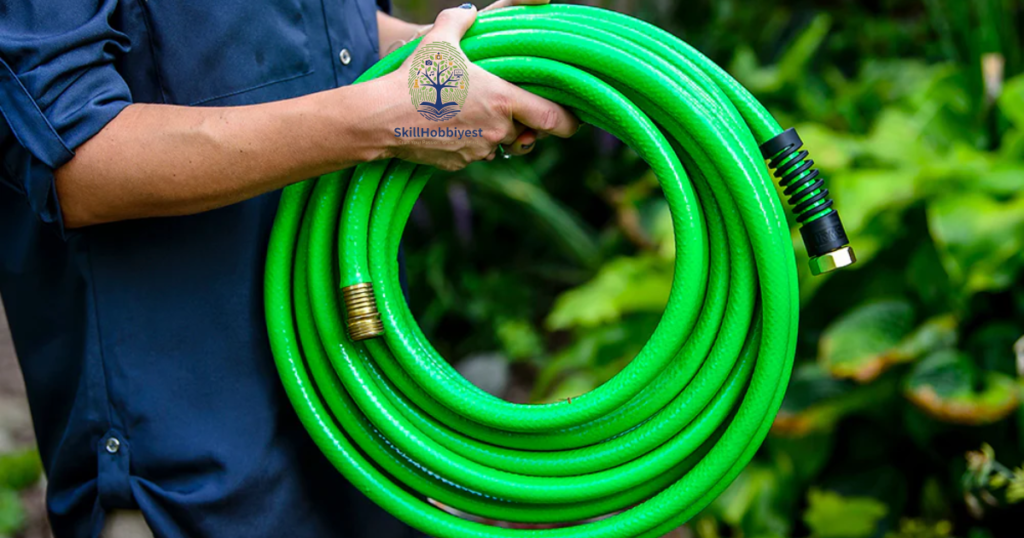
Soaker hoses may clog over time due to mineral buildup. Hard water can reduce hose efficiency if not maintained properly. Regular flushing helps prevent blockage and uneven water distribution. Poor-quality hoses may wear out faster than expected. Choosing durable materials improves long-term performance significantly.
Sloped gardens may experience uneven watering with seep hoses. Water tends to flow downhill, reducing uniform moisture distribution. This can be corrected by using pressure regulators and careful placement. Gardeners should test watering patterns before regular use. Adjustments ensure all plants receive adequate hydration.
Soaker hoses may not suit all plant types equally well. Some plants prefer overhead watering during specific growth stages. Gardeners should consider individual plant needs carefully. Combining methods may work better in mixed gardens. Planning ensures optimal watering for diverse plant varieties.
Installation Tips for Best Results
Lay soaker hoses on soil surface or beneath light mulch. Avoid burying hoses too deeply to prevent clogging issues. Use low water pressure for consistent seepage along hoses. Test system before regular watering to check coverage.
Timers help control watering duration and prevent overwatering problems. Water early morning for best absorption and reduced evaporation. Inspect hoses regularly for leaks or dry spots. Proper setup ensures long-lasting and efficient garden irrigation.
- Soaker hoses deliver water slowly and directly to plant roots efficiently.
- They reduce evaporation, runoff, and overall garden water waste significantly.
- Consistent moisture supports healthier plants and deeper root systems.
- seep hoses work well in vegetable gardens and raised beds.
- Proper installation improves performance and extends hose lifespan greatly.
Faq’s
Are soaker hoses effective for gardens compared to sprinklers?
Yes, they deliver water directly to roots, reducing evaporation and water waste significantly.
How long should a soaker hose run in gardens?
Most gardens need thirty to sixty minutes, depending on soil type and weather.
Do seep hoses save water in gardens long term?
Yes, they use less water by minimizing runoff and evaporation losses.
Can seep hoses be used in raised garden beds?
Yes, they are ideal for raised beds due to controlled, targeted watering.
Do soaker hoses promote healthy plant growth?
Yes, consistent moisture encourages strong roots and steady plant development.
Conclusion
Soaker hoses offer an efficient solution for modern garden watering needs. They deliver water directly to soil with minimal waste. This method supports healthier plants and stronger root systems. Gardeners benefit from reduced maintenance and lower water usage. Overall, soaker hoses simplify irrigation while improving garden results.
They are especially useful for vegetable gardens and raised beds. Consistent moisture improves plant growth and crop yields. Gardeners appreciate their flexibility and ease of installation. With proper care, seep hoses last multiple growing seasons. They represent a smart investment for sustainable gardening practices.
While not perfect for every situation, they suit most home gardens. Understanding limitations helps gardeners use them effectively. Combining methods may work best for diverse plant needs. Proper planning ensures even watering and healthy plant growth. Seep hoses remain a reliable and eco-friendly irrigation choice.
Read more latest Articles on Skillhobbiyest.com