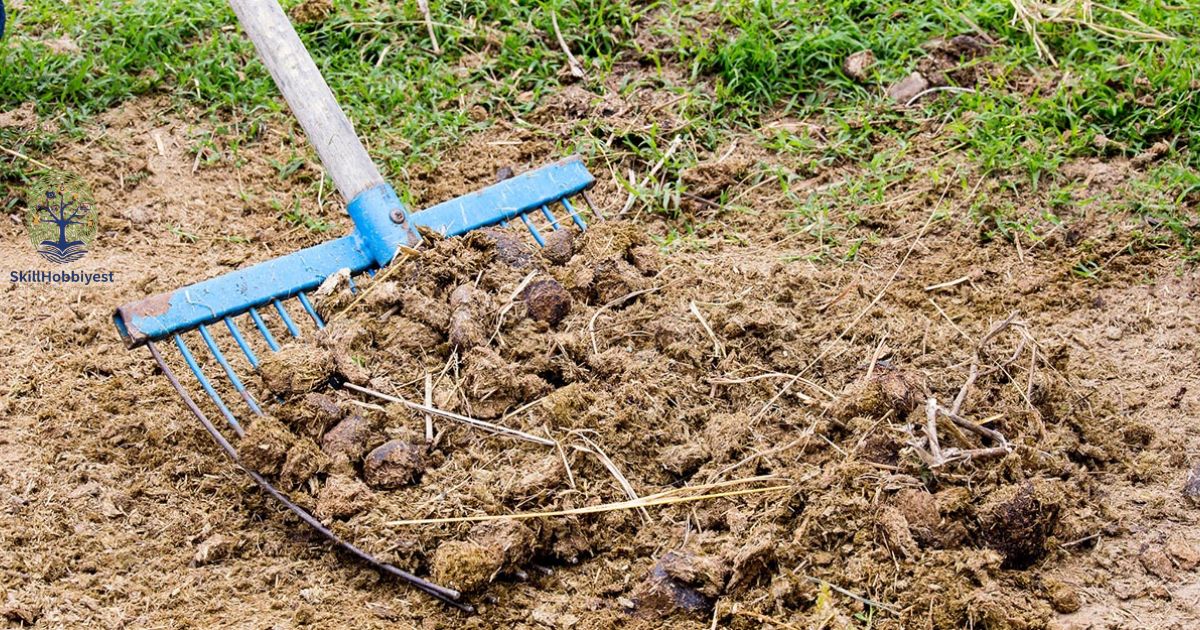
Horse manure is widely used as natural fertilizer in home gardens today. Many gardeners wonder if it improves soil quality and plant growth effectively. It contains nutrients that support healthier root development and stronger stems. Organic gardeners prefer manure because it is cheap and easily available. Still, proper preparation matters before using manure around edible crops.
Before applying manure, understanding its benefits is highly valuable and necessary. It enriches soil with organic matter, enhancing water retention and aeration. Composted manure becomes safe, crumbly, and gentle for garden plants. Fresh manure may contain weed seeds and harmful pathogens for vegetables. Correct usage helps prevent plant burn and supports long-term soil fertility.
This guide explains how horse manure benefits gardens in simple words. You will learn composting, application methods, and seasonal timing recommendations. We also compare horse manure with cow manure for better understanding. Using manure wisely results in thriving vegetables, flowers, and fruit trees. Read fully to learn safe methods of applying manure effectively.
Table of Contents
Benefits of Using Horse Manure
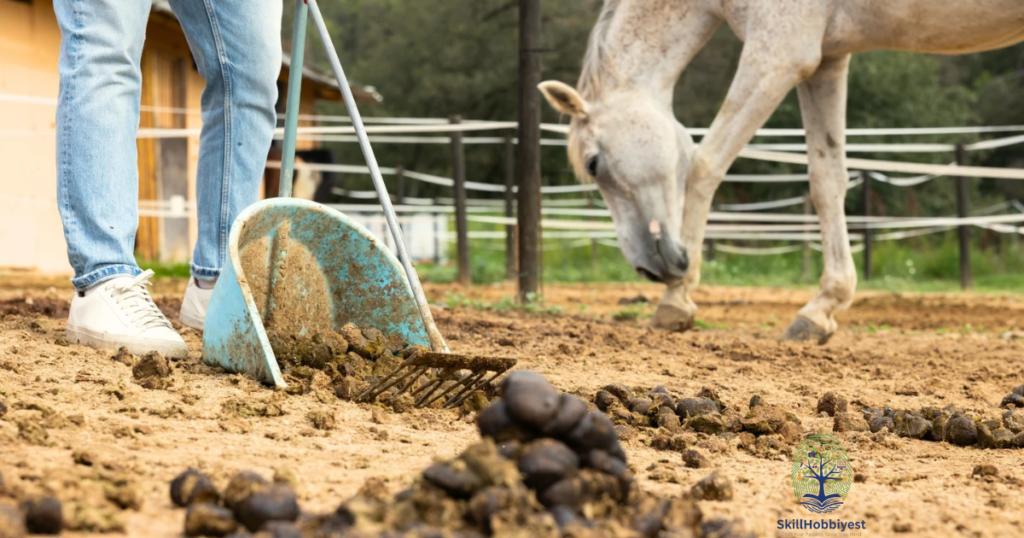
Horse manure improves soil structure and encourages beneficial microbial activity effectively. Nutrients break down slowly providing long-term support for growing plants. Manure increases organic matter helping soil maintain moisture for roots. Gardeners experience better yields when soil becomes rich with composted manure. Improved soil health means stronger stems and greener leaves overall.
Equestrian fertilizer adds nitrogen, phosphorus, and potassium necessary for healthy growth. It helps sandy soil hold water and nutrients more efficiently. Clay soil becomes looser with manure added during preparation works. Plants grow bigger and stronger with improved drainage and soil aeration. Aged manure boosts vegetable beds without causing nutrient burn problems.
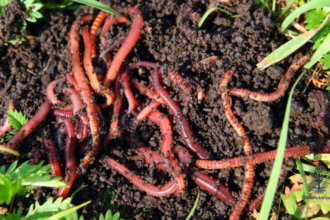
Compared with chemical fertilizers, manure is eco-friendly and budget friendly. It recycles farm waste while feeding worms in the soil layer. This reduces environmental pollution and protects long-term gardening sustainability. Natural fertilizers support better flavor in vegetables and fresh fruits. Using manure yearly gradually builds dark fertile soil for crops.
Common Mistakes to Avoid
Never use fresh manure directly around plants during sensitive stages. Uncomposted manure heats soil and risks burning young tender roots. Avoid applying manure too close to harvest day for vegetables. Do not dump manure heavily causing waterlogging issues in soil.
Overusing manure may increase salt and nitrogen levels harms plants. Always mix manure with soil instead of placing in thick piles. Weed seeds survive if compost not heated correctly or maintained. Monitor moisture balance ensuring compost stays active and safe.
Composting Equestrian fertilizer Properly
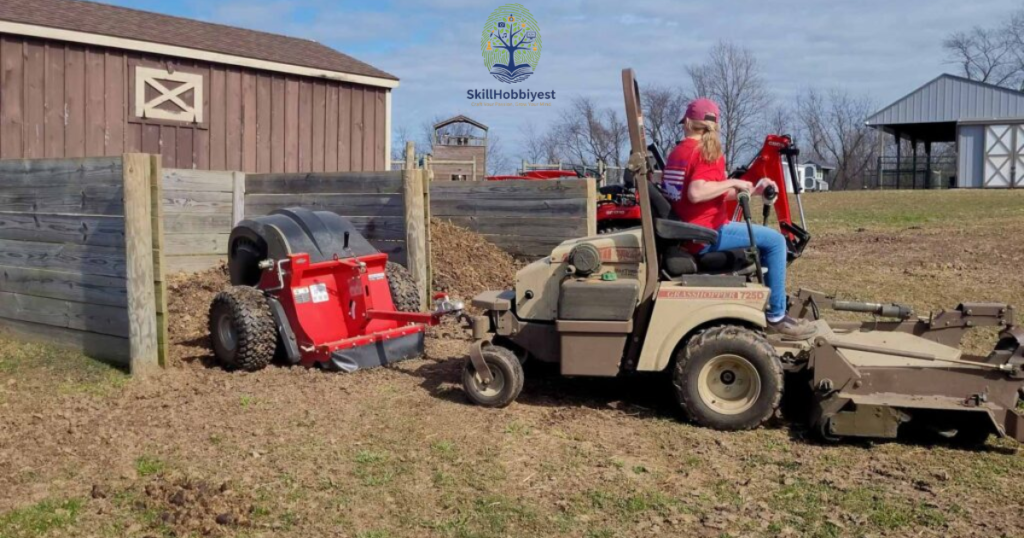
Composting is essential before applying manure to sensitive vegetable plants. Fresh manure carries weed seeds and high nitrogen that burns seedlings. A compost pile must reach high heat to kill harmful pathogens. Turning compost regularly increases airflow and speeds up breakdown process. Finished compost smells earthy and no longer resembles raw manure.
Most manure takes six months or more to fully compost safely. Moisture should stay balanced because too wet slows decomposition significantly. Temperature between 55 and 65 degrees Celsius works perfectly right. Add dry leaves or straw if manure appears extremely wet. Use gloves and tools while managing compost for hygiene reasons.
Place compost in garden beds a few weeks before planting season. Mix manure lightly into soil instead of leaving on surface. Roots absorb nutrients slowly which prevents sudden plant stress effectively. Applying compost during fall helps it break down through winter. Spring application prepares soil for productive growing months ahead.
Best Time to Apply Manure
Fall is best season because manure decomposes slowly through winter. Spring works too if manure already composted and nutrient balanced. Avoid mid-summer application causing plant shock from sudden nutrients. Early preparation builds rich beds ready for strong plant growth.
Apply manure before planting period giving soil enough settling time. Existing plants tolerate manure lightly if kept away from stems. Use compost yearly for continuous soil improvement without chemicals. Gardeners enjoy reliable results using manure with careful timing.
Using Equestrian fertilizer in Different Garden Types
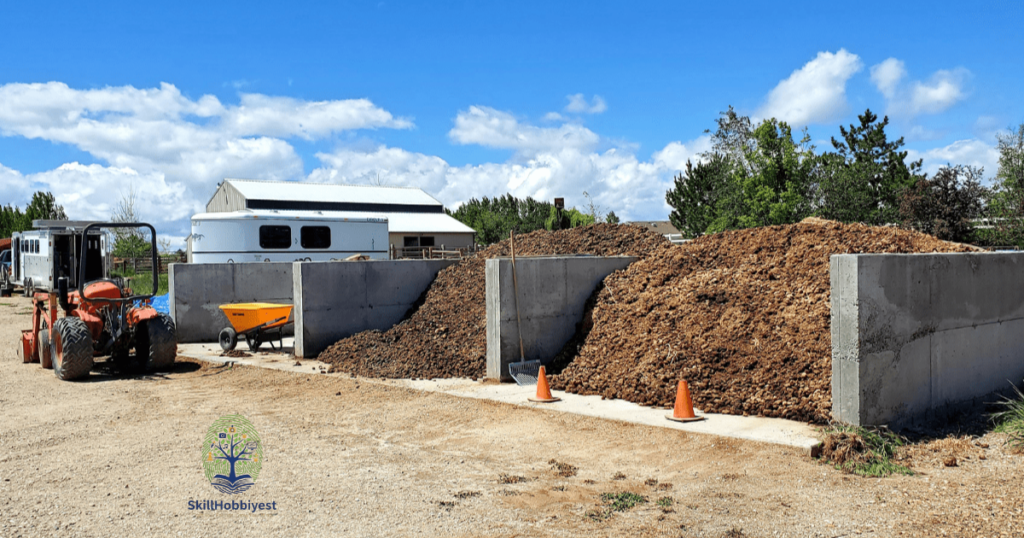
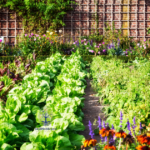
Vegetable gardens benefit greatly from aged or fully composted manure use. Avoid using fresh manure directly near edible roots or leaves. It may contain bacteria and excessive nitrogen harmful for vegetables. Use aged manure two months before planting for best results. Incorporate gradually instead of heavy dumping in one place.
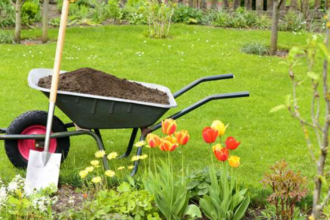
Flower beds respond strongly to manure due to organic nutrient content. Roses, sunflowers, and dahlias bloom larger with composted manure application. Apply manure around plants leaving stem area moderately clear. Mulch on top keeps moisture locked and soil temperature stable. Regular additions of manure yearly enhance blooms and plant health.
Fruit trees benefit from slow nutrient release across several months. Spread manure circle around tree base away from trunk area. This encourages deep root growth and prevents fungal stem problems. Young trees require lighter applications compared to mature established trees. Manure boosts fruit size, sweetness, and annual harvest productivity.
Equestrian fertilizer vs Other Manure Types
Horse manure is lighter texture compared to cow manure usually. Cow manure moist and nutrient dense but decomposes slower in piles. Equestrian fertilizer excellent for aeration because of high fiber content. Choose based on availability and specific soil improvement requirements.
Chicken manure stronger but must compost longer before using safely. Goat manure gentle similar benefits for gardens of any type. Equestrian fertilizer easy to find and free from many local farms. Organic growers love it for natural sustainability and affordability.
• Horse manure enriches soil naturally and supports beneficial microorganisms continuously.
• Composting reduces weeds, pathogens, smell, and risk of plant burns.
• Use aged manure especially when growing edible vegetables or greens.
• Apply manure in fall for best seasonal soil conditioning results.
• Regular use builds fertile soil producing bigger harvests yearly.
Faq’s
Is horse manure safe for vegetable gardens when composted properly?
Yes, composting removes risks and supplies nutrients safely for vegetables.
How long does horse manure take to compost fully usually?
Mostly six to twelve months depending on heat and moisture levels.
Can fresh manure burn tender plants during early growth stages?
Yes, high nitrogen in fresh manure causes leaf and root burn.
Should manure mix into soil or stay on garden surface?
Mixing improves structure and allows nutrients to reach plant roots well.
Which season offers best results for manure soil application timing?
Fall works best, while spring also effective for composted manure.
Conclusion
Horse manure is excellent natural fertilizer when handled correctly and patiently. Composted manure enriches soil deeply and supports strong healthy plants. It increases moisture retention and improves soil texture noticeably faster. Gardeners enjoy richer harvests and colorful flowers after regular use. Learning correct methods ensures safe results for edible crops.
Fresh manure needs composting before reaching vegetable patches for safety. It must heat well to kill weed seeds and pathogens completely. Proper application prevents plant burn or nutrient overload for roots. With simple steps manure becomes powerful garden improvement material. Practice compost management regularly for reliable yearly results.
Using horse manure remains eco-friendly, affordable, and highly effective long-term. It replaces chemical fertilizers promoting sustainable gardening habits happily. Every gardener can benefit from understanding manure handling techniques. Apply moderately for best balance between nutrition and soil health. Grow naturally and enjoy productive, thriving gardens every season.
Read more latest Articles on Skillhobbiyest.com