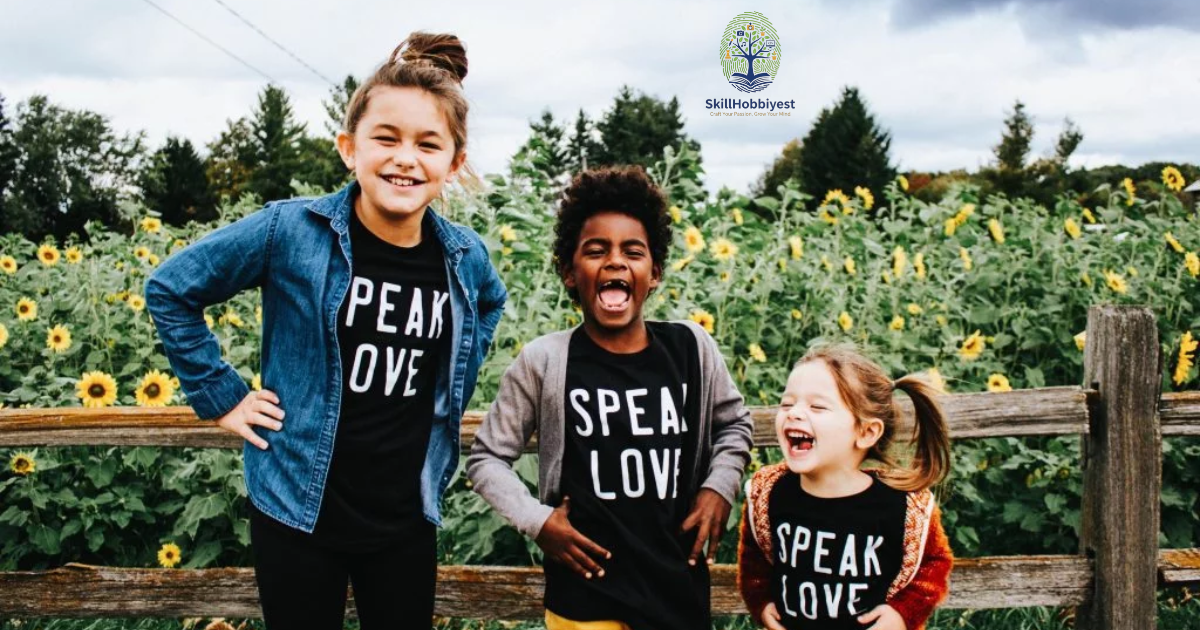
Many people ask, what are pragmatic language skills in everyday communication. Pragmatic language skill refers to using language appropriately in social situations. These skills involve both speaking and listening effectively with others consistently. Social communication skills are closely connected to pragmatic language. They guide interactions in daily life and make conversations meaningful.
Language use in context is central to pragmatic language. It involves choosing words and phrases suitable for each situation. Understanding the environment and audience helps people convey their message accurately. Conversational turn-taking is another essential component. This skill ensures that communication is reciprocal and respectful. Practicing these behaviors strengthens overall communication abilities.
Another key aspect is understanding nonverbal cues. Body language, facial expressions, and gestures all influence communication. People rely on these cues to interpret meaning beyond words. Speech pragmatics in children refers to how young learners acquire these skills naturally. Teachers and parents observe how children use language in play and social settings. Early identification of challenges can help guide communication disorder interventions effectively.
Table of Contents
Core Components of Pragmatic Language Skills
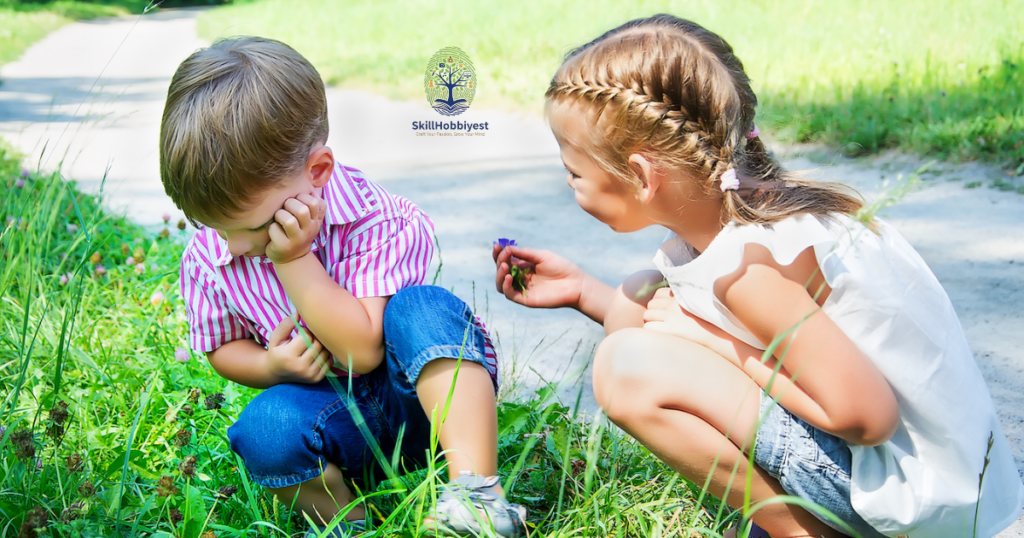
Functional language skills are the foundation of practical communication. These include requesting, informing, greeting, and asking questions appropriately. Both expressive and receptive language abilities are necessary to use language successfully. Expressive skills allow a person to communicate thoughts. Receptive skills help them understand what others say. Together, they support social language development, fostering better interpersonal connections.
Contextual language understanding ensures that messages fit the situation and audience. People adjust tone, volume, and word choice according to context. Everyday communication strategies include using polite requests, clarifying information, and checking understanding. These strategies make interactions smoother and more effective. Children who learn these early develop confidence in speaking and socializing.
Identifying examples of pragmatic language skills can make learning more concrete. Skills include greeting someone properly, taking turns in conversation, sharing ideas, and apologizing. Using humor appropriately and understanding indirect requests are also examples. Pragmatic vs social communication skills can sometimes be confusing. Practical skills focus on language use, while social skills include broader interpersonal behavior.
Examples of Practical Language Skills
Examples of pragmatic language skills include greeting others politely and maintaining conversations. Conversational turn-taking ensures everyone has a chance to speak during discussions. Understanding nonverbal cues like gestures and facial expressions enhances communication effectiveness.
Practical vs social communication skills differ, but both are essential for interaction. Everyday communication strategies teach asking questions, clarifying, and responding politely in context. Contextual language understanding helps adjust tone, volume, and words for each audience. Speech pragmatics in children develop naturally through modeling and social practice activities.
Practical Language Skills in Children and Autism
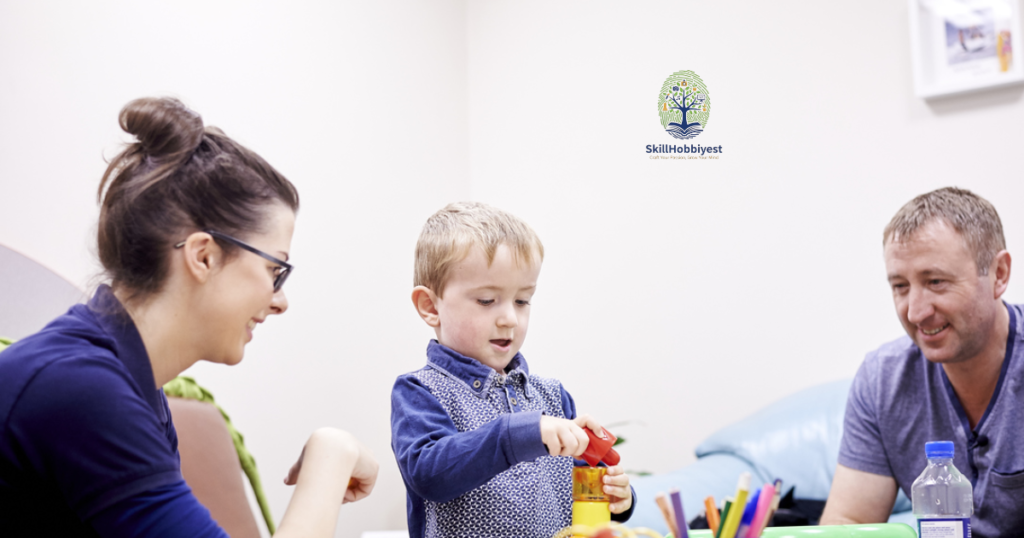
The importance of practical language in children cannot be overstated. Early development affects academic achievement, peer relationships, and self-esteem. Delays or difficulties can lead to frustration or social isolation. Practical language skills in autism are often delayed or differently developed. Many children on the spectrum struggle with conversational rules and nonverbal cues. Structured interventions can provide support and guidance in social communication.
Signs of practical language difficulties include interrupting others, inappropriate topic changes, and misunderstanding jokes. Children may have trouble asking questions, giving instructions, or adjusting language to different listeners. Assessment of practical language helps identify strengths and weaknesses. Speech-language pathologists use structured tests, observation, and parent questionnaires.
Teaching practical language skills involves repetition, positive reinforcement, and structured learning opportunities. Children learn to greet, respond, and interpret nonverbal cues successfully through practice. How to improve practical language requires guidance in turn-taking and topic maintenance consistently. Everyday communication strategies reinforce polite requests, clarification, and social problem-solving abilities.
Practical Language Skills in Autism
Practical language skills in autism may develop differently or require targeted support. Communication disorder interventions help improve turn-taking, eye contact, and conversational flow. How to improve practical language includes structured activities, role-playing, and social stories.
Signs of pragmatic language difficulties include interrupting, inappropriate topic changes, and misunderstanding jokes. Assessment of practical language identifies challenges and guides therapy planning effectively. Practical language therapy techniques help children practice real-life social interactions confidently.
Assessment and Improvement of Practical Language Skills

Assessment of pragmatic language evaluates strengths, weaknesses, and social communication progress effectively. Can pragmatic language skills be learned at any age with structured guidance? Practical language therapy techniques like role-play and modeling improve conversational competence quickly. How practical skills affect communication is seen in classroom, home, and workplace situations.
Everyday communication strategies improve conversations by teaching polite requests and topic maintenance. Contextual language understanding allows appropriate language adjustments for different audiences consistently. Functional language skills help apply skills in real-life situations with confidence. Speech practical in children and adults benefits from structured practice and observation.
How to improve practical language includes role-play, visual aids, modeling, and guided practice sessions. Functional language skills develop through repeated use in everyday social situations effectively. Assessment of pragmatic language provides feedback and helps tailor individualized learning approaches. Teaching practical language skills ensures learners generalize skills across multiple contexts successfully.
Assessment and Improvement
Assessment of practical language evaluates strengths, weaknesses, and guides therapy planning effectively. Can pragmatic language skills be learned with practice, guidance, and structured strategies?Practical language therapy techniques like modeling, role-play, and social stories improve competence.
Everyday communication strategies improve social interactions through polite requests, clarifications, and topic maintenance. Contextual language understanding ensures language fits situation, audience, and purpose appropriately. Functional language skills support using language in real-life social and academic contexts..
- Functional language skills allow individuals to communicate clearly in everyday social situations effectively.
- Conversational turn-taking ensures smooth, respectful dialogue and active participation in conversations.
- Understanding nonverbal cues enhances meaning through gestures, facial expressions, and tone interpretation.
- Everyday communication strategies teach polite requests, clarifications, and maintaining conversation topics appropriately.
- Expressive and receptive language work together to support successful social communication and comprehension.
FAQ’s
What are practical language skills and why are they important in communication?
They help individuals use language appropriately in social situations consistently.
How to improve practical language skills in children or adults successfully?
Practice conversational turn-taking, social stories, role-play, and everyday communication strategies regularly.
Can practical language skills be learned at any age effectively?
Yes, both children and adults can develop skills through structured practice.
What are some examples of practical language skills in daily life?
Skills include greeting others, maintaining topics, asking questions, and using polite requests.
How do practical skills affect communication at school, work, and home?
Strong skills improve clarity, reduce misunderstandings, and enhance social participation effectively.
Conclusion
Understanding what are practical language skills is essential for effective communication daily. Pragmatic language definition highlights using language appropriately in social situations consistently. Social communication skills strengthen relationships, learning, and professional interactions over time. Children and adults benefit from practical language therapy techniques and structured guidance
Contextual language understanding ensures language fits the situation, audience, and purpose correctly. Conversational turn-taking helps maintain respect, flow, and balance in every discussion. Understanding nonverbal cues enhances communication by interpreting gestures, facial expressions, and tone. Everyday communication strategies like clarifying and polite requests support successful interactions.
Importance of practical language in children helps them build friendships and succeed academically. Pragmatic language skills in autism require guidance but can improve with targeted interventions. Assessment of pragmatic language identifies areas for growth and individualized support planning. Teaching practical language skills uses modeling, repetition, role-play, and real-life practice.
Read more latest Articles on Skillhobbiyest.com